How Roojh App Puts Patients at the Center of Their Healthcare Journey

Healthcare today is evolving rapidly, yet many patients still struggle with outdated and fragmented systems. Managing physical medical files, remembering past treatments, and coordinating between different doctors often creates unnecessary stress. Instead of focusing on recovery and prevention, patients are burdened with administrative tasks and confusion. This lack of organization reduces patient involvement and confidence in healthcare decisions.The Roojh App addresses these challenges by placing patients at the heart of healthcare management. It simplifies access to medical information, improves communication, and encourages proactive health monitoring. Designed for everyday users, Roojh removes complexity from healthcare processes. As a user-friendly health tracking app, it helps patients stay informed, organized, and actively involved throughout their healthcare journey. How Roojh App Creates a Truly Patient-Centered Healthcare Experience Patient-centered healthcare focuses on access, understanding, and control. Roojh is built around these principles, ensuring that patients are not passive participants but informed decision-makers. The app supports individuals at every stage of care by making health information accessible, organized, and meaningful. Below are the key ways Roojh creates a healthcare experience designed around patients. 1. Centralized Access to Medical Records One of the biggest challenges patients face is managing scattered medical documents. Reports, prescriptions, test results, and hospital summaries often exist in different formats and locations. Roojh solves this by providing a single digital space where all health records can be stored securely. This centralized access saves time and reduces stress, especially during emergencies or urgent consultations. Patients no longer need to search through files or phone galleries. With everything in one place, healthcare becomes more structured and manageable. This organized approach is why many users recognize Roojh as one of the best health app solutions for medical record management. 2. Easy Health Tracking for Daily Awareness Health management is not limited to hospital visits—it is a daily process. Roojh allows patients to track their health data over time, helping them stay aware of changes and progress. Regular access to health information improves understanding and accountability. Instead of relying on memory, patients can review their health history anytime. This encourages early action and preventive care. As a practical health tracking app, Roojh supports patients in maintaining consistent awareness rather than reacting only when problems arise. 3. Better Prepared and More Effective Doctor Consultations Doctor visits are often short, making it essential for patients to be well-prepared. However, missing reports or forgotten details can reduce the effectiveness of consultations. Roojh ensures that patients have complete medical information readily available during visits. By sharing accurate records with doctors, patients enable faster diagnosis and clearer treatment planning. This reduces repeated tests and misunderstandings. Acting as a personal patient management system, Roojh improves collaboration between patients and healthcare professionals, making consultations more meaningful and efficient. 4. Empowering Patients Through Information Access Access to information plays a crucial role in patient empowerment. When patients can review their reports and treatment history, they feel more confident in understanding their health. Roojh provides easy access to health data without technical complexity. This transparency encourages patients to ask informed questions and actively participate in decision-making. Instead of feeling dependent, patients become partners in their care. Over time, this empowerment leads to better adherence to treatment plans and stronger trust in healthcare systems. 5. Simplified Family and Caregiver Health Management Healthcare responsibilities often extend beyond individuals to families and caregivers. Managing health records for parents, children, or dependents can be overwhelming. Roojh simplifies this by allowing users to organize multiple family health profiles in one app. Caregivers can monitor reports, track treatments, and share information with doctors when needed. This reduces coordination challenges and improves continuity of care. For households managing multiple health needs, Roojh stands out as a best health app designed for family-level healthcare organization. 6. Secure and Patient-Controlled Data Privacy Privacy concerns are a major barrier to digital health adoption. Patients want assurance that their sensitive information is protected. Roojh prioritizes security while ensuring ease of use. Users maintain control over who can access their records and when. This balance between security and simplicity builds trust. Patients feel confident storing and managing their health data digitally. Roojh’s approach ensures that privacy does not come at the cost of usability, making it a dependable patient management system for long-term use. 7. Encouraging Consistent and Long-Term Patient Engagement Patient engagement improves when healthcare tools integrate smoothly into daily routines. Roojh is designed to be intuitive and easy to use, encouraging regular interaction. Patients can quickly access information without feeling overwhelmed. Consistent engagement helps patients stay aware of their health status and treatment progress. Over time, this leads to better health habits and reduced dependence on emergency care. Roojh supports a proactive healthcare approach where patients remain actively connected to their care journey. How Roojh Supports Preventive and Continuity-Based Care Preventive care is essential for reducing long-term health risks and healthcare costs. Roojh supports this by ensuring patients have continuous access to their health history. When patients can review past records, they are more likely to recognize patterns and seek early intervention.Continuity of care improves when medical information is easily transferable between healthcare providers. Roojh ensures that patients do not lose critical information during transitions, such as changing doctors or relocating. This continuity strengthens treatment accuracy and patient confidence. By supporting both preventive care and long-term continuity, Roojh helps patients move away from reactive healthcare and toward a more stable and informed approach to health management. Read more: What Makes a Healthcare App Truly Useful for Patients? A Roojh Perspective Conclusion Modern healthcare demands solutions that prioritize patients, not processes. Roojh App meets this need by simplifying health management and empowering users with access, clarity, and control. It organizes medical records, improves doctor-patient communication, and supports proactive health tracking. Roojh also addresses family healthcare needs while maintaining strong privacy and security standards. By encouraging long-term engagement and preventive care, Roojh helps patients stay informed and confident. Its user-friendly design ensures accessibility for all age groups without technical barriers. As a reliable patient management system, Roojh
What Makes a Healthcare App Truly Useful for Patients? A Roojh Perspective

Managing family health is not just about doctor visits and medicines, it is also about having the right medical information available at the right time. From children’s vaccination records to parents’ long-term treatment history, health records play a crucial role in decision-making, emergencies, and continuity of care. Yet, for most families, medical records are scattered across files, cupboards, WhatsApp chats, hospital portals, and emails. This lack of organization often leads to confusion, stress, and delays, especially during critical moments. This blog explains why keeping family health records digital is essential, the challenges families face with traditional record-keeping, and how using the best health app and a reliable health tracking app can simplify family healthcare through a structured patient management system. Why Managing Family Health Records Is a Real Challenge Today? In most households, medical records accumulate over years, prescriptions, lab reports, scan results, discharge summaries, and insurance documents. Each family member has a separate medical history, often treated by different doctors and hospitals. Common challenges families face include: These problems are not rare, they are everyday situations for families. The need is not just storage, but organized, accessible, and secure health record management. What Comes Under Family Health Records? Family health records are more than just doctor prescriptions. They form a complete medical history that helps healthcare providers understand past treatments and make better decisions. A typical family health record includes: Keeping all these records together in a structured way makes healthcare smoother and more effective. Common Problems Families Face Without a Digital System Before understanding the benefits of digital health management, it is important to recognize the everyday problems families face when medical records are not organized in one place. Without a digital system, health information often remains scattered, outdated, or inaccessible—creating confusion during routine care as well as emergencies. These challenges affect not just patients, but also caregivers and doctors who rely on accurate medical history for effective treatment. 1. Lost or Incomplete Medical History: Over time, medical records pile up across hospitals, clinics, and physical files, making it difficult to maintain a complete health history. Families often forget past diagnoses, treatments, or medications, especially in the case of chronic illnesses. When consulting a new doctor, missing information can lead to repeated tests or incorrect assumptions. This lack of continuity impacts the quality of care and slows down medical decisions. 2. Delays During Emergencies: Medical emergencies demand quick and accurate information, but finding old prescriptions or reports at the right moment is often challenging. Families may waste critical time searching through cupboards, phones, or emails. Doctors, without access to previous records, may not have a clear understanding of allergies, ongoing medications, or medical conditions. These delays can affect treatment speed and outcomes. 3. Managing Parents’ Health: As parents age, their medical needs increase, and adult children often take on the role of caregivers. When families live in different cities, accessing parents’ medical records becomes difficult. Important reports may remain with the parent or at a hospital, leaving caregivers unaware of treatment history. This gap makes it harder to coordinate care, seek second opinions, or respond quickly during health issues. 4. Multiple Doctors, No Single View: Families frequently consult different specialists for various health concerns, but each doctor requires access to the patient’s full medical background. Without a centralized system, families must repeatedly explain the same history during every visit. This repetition is tiring and increases the risk of missing important details. A single, consolidated view of health records ensures better coordination and more informed medical decisions. These challenges clearly show why families need a centralized patient management system that keeps health records organized, accessible, and reliable for long-term care. How a Health Tracking App Simplifies Family Health Management A health tracking app brings structure and clarity to family healthcare by storing all medical information in one secure digital space. Instead of relying on physical files or scattered messages, families can manage health records more efficiently and stay prepared for both routine checkups and unexpected medical situations. Below are the key ways a health tracking app simplifies family health management. 1. Centralized Storage of All Medical Records: A health tracking app acts as a single repository for all medical documents, including prescriptions, lab reports, scans, and discharge summaries. This eliminates the need to store paper files or search across multiple platforms. With everything organized in one place, families can quickly find the required information whenever needed. Centralized storage also ensures that important records are not lost or forgotten over time. 2. Individual Profiles for Each Family Member: Managing multiple family members’ health records becomes easier with separate profiles for each person. This keeps medical histories clearly organized and avoids confusion between records. Whether it is a child’s vaccination details or a parent’s long-term treatment history, each profile maintains accurate and personalized information. It also allows caregivers to track health progress individually. 3. Easy Sharing with Doctors When Required: A health tracking app enables families to share relevant medical records with doctors instantly during consultations. Instead of carrying physical files or explaining past treatments verbally, patients can provide accurate documentation. This helps doctors make informed decisions and saves valuable consultation time. Selective sharing also ensures that only necessary information is shared. 4. Secure Access Anytime, Anywhere: With digital access, family health records are available whenever and wherever they are needed. Whether during travel, emergencies, or remote consultations, families can access information using their smartphones. Secure login and data protection features ensure privacy while maintaining convenience. This balance of security and accessibility adds confidence to digital health management. 5. Better Tracking of Health History Over Time: A health tracking app helps families maintain a continuous record of medical history across years. By regularly updating records after doctor visits, users can identify health patterns and track progress over time. This long-term view supports preventive care and better decision-making. It also reduces the chances of missing critical health information during future treatments. When used consistently, a health tracking app becomes a personal
Simplifying Health Management for Busy Indian Parents with Roojh

For most Indian parents, life moves fast. Mornings begin with household responsibilities, days are packed with work or family commitments, and evenings are spent managing children, elders, or unfinished tasks. In this constant rush, health often becomes something that is “handled later.” Reports are kept aside, follow-ups are delayed, and medicines are taken based on memory rather than routine. The problem is not negligence, it is overload. Parents are managing too much at once. Health management needs to fit into this reality, not demand extra effort. Roojh is built with this understanding. It simplifies healthcare by organizing information, reducing dependence on memory, and supporting families quietly in the background through a thoughtful healthcare management system. Why Health Management Feels Difficult for Indian Parents Today? Indian parents rarely manage their own health. They handle children’s vaccinations, parents’ medications, and family doctor visits all while balancing work and home life. Medical information gets scattered because there is no single system holding everything together. A blood report may be stored in a cupboard, a prescription shared on WhatsApp, and another test result uploaded to a hospital portal that is rarely revisited. When a doctor asks for past records, parents scramble to search through phones, files, and emails. This constant disorganization creates frustration and anxiety. Time is another challenge. Appointments are forgotten, medicines are skipped unintentionally, and follow-ups get postponed. During emergencies, the lack of organized medical history becomes a serious problem. For elderly parents, using complex apps or portals adds another layer of difficulty. These everyday realities show why traditional methods no longer work. What Busy Indian Parents Expect from a Health App? Parents are not looking for advanced medical analytics or technical dashboards. What they want is relief. A useful health app should remove confusion, not add to it. Indian parents expect a solution that keeps medical information safe, accessible, and easy to manage. It should support the entire family, work smoothly across devices, and require minimal learning. Most importantly, it should adapt to real-life routines rather than forcing users to change their habits. Roojh aligns with these expectations by focusing on clarity, simplicity, and consistency. Keeping All Medical Records in One Organized Space One of the biggest challenges parents face is handling years of medical documents. Roojh solves this by offering a structured patient record management system that brings everything together. Parents can store prescriptions, lab results, scans, discharge summaries, vaccination records, and doctor notes in one secure place. Each document is categorized clearly, making it easy to locate when needed. There is no need to remember where something was saved or who sent it. Having all records in one place makes doctor visits smoother and reduces the chances of repeated tests. It also helps parents feel more prepared and confident, knowing that important information is always available. Managing Multiple Family Members Without Confusion In Indian households, health responsibilities are shared. Parents manage their own care while also looking after children and elders. Roojh allows separate profiles for each family member, ensuring clarity and organization. Each person’s reports, medicines, and history remain separate, avoiding mix-ups. This structure is especially helpful for families managing long-term conditions or multiple treatments at the same time. Whether it’s a child’s vaccination schedule or an elder’s ongoing medication, everything stays clearly defined. Reminders That Fit Into Busy Daily Routines Forgetting medicines or appointments is not uncommon when life gets hectic. Roojh helps by providing gentle reminders that support daily routines instead of interrupting them. Medicine alerts ensure doses are taken on time, while appointment reminders reduce missed visits. This is particularly important for chronic conditions where consistency matters. Parents no longer need to rely on memory or handwritten notes, Roojh handles the reminders quietly and reliably. Accessing Health Information Anytime, Anywhere Indian parents are often on the move, at work, traveling, or living in different cities from their elders. Roojh ensures that health information is not tied to a physical location. Medical records can be accessed instantly from anywhere and shared with doctors or family members when required. This flexibility is especially helpful during unexpected doctor visits or emergencies. Easy access reduces stress and allows parents to stay involved in healthcare decisions, even from a distance. Understanding Health Through Long-Term Tracking Health is not defined by a single report. It evolves over time. Roojh helps parents track symptoms, medications, and test results over months and years. This long-term view helps doctors understand patterns and make better treatment decisions. Parents gain clarity about progress instead of guessing based on memory. Roojh functions as a supportive healthcare management system that focuses on meaningful tracking rather than technical complexity. Being Prepared for Medical Emergencies Emergencies demand speed and clarity. Searching for reports during such moments wastes valuable time. Roojh ensures that critical information, medical history, ongoing medications, allergies, is immediately available. Doctors can access accurate data quickly, helping them act without delay. Families feel more in control during stressful situations because everything they need is already organized and accessible. Designed for Parents and Elders Alike Many apps fail because they are difficult to use. Roojh avoids this by keeping its design clean and intuitive. Large buttons, simple navigation, and easy uploads make it suitable for users of all ages. Elderly parents can use the app without feeling overwhelmed, while younger family members can assist or manage profiles easily. This inclusive design ensures that technology supports care instead of becoming a barrier. How Roojh Fits Naturally Into Everyday Indian Life Roojh does not demand constant attention. It works quietly in the background, supporting parents without disrupting routines. Whether it’s checking a report during a short break or sharing records during a doctor visit, the app adapts to real-life situations. By reducing mental effort and improving organization, Roojh allows parents to focus on family and work while staying confident about health management. It becomes part of daily life rather than an extra task. Real-Life Situations Where Roojh Makes Life Easier An elderly parent with years of medical history can access
How to Keep All Family Health Records Safe, Digital & Accessible

Managing family health is not just about doctor visits and medicines, it is also about having the right medical information available at the right time. From children’s vaccination records to parents’ long-term treatment history, health records play a crucial role in decision-making, emergencies, and continuity of care. Yet, for most families, medical records are scattered across files, cupboards, WhatsApp chats, hospital portals, and emails. This lack of organization often leads to confusion, stress, and delays, especially during critical moments. This blog explains why keeping family health records digital is essential, the challenges families face with traditional record-keeping, and how using the best health app and a reliable health tracking app can simplify family healthcare through a structured patient management system. Why Managing Family Health Records Is a Real Challenge Today? In most households, medical records accumulate over years, prescriptions, lab reports, scan results, discharge summaries, and insurance documents. Each family member has a separate medical history, often treated by different doctors and hospitals. Common challenges families face include: These problems are not rare, they are everyday situations for families. The need is not just storage, but organized, accessible, and secure health record management. What Comes Under Family Health Records? Family health records are more than just doctor prescriptions. They form a complete medical history that helps healthcare providers understand past treatments and make better decisions. A typical family health record includes: Keeping all these records together in a structured way makes healthcare smoother and more effective. Common Problems Families Face Without a Digital System Before understanding the benefits of digital health management, it is important to recognize the everyday problems families face when medical records are not organized in one place. Without a digital system, health information often remains scattered, outdated, or inaccessible—creating confusion during routine care as well as emergencies. These challenges affect not just patients, but also caregivers and doctors who rely on accurate medical history for effective treatment. 1. Lost or Incomplete Medical History: Over time, medical records pile up across hospitals, clinics, and physical files, making it difficult to maintain a complete health history. Families often forget past diagnoses, treatments, or medications, especially in the case of chronic illnesses. When consulting a new doctor, missing information can lead to repeated tests or incorrect assumptions. This lack of continuity impacts the quality of care and slows down medical decisions. 2. Delays During Emergencies: Medical emergencies demand quick and accurate information, but finding old prescriptions or reports at the right moment is often challenging. Families may waste critical time searching through cupboards, phones, or emails. Doctors, without access to previous records, may not have a clear understanding of allergies, ongoing medications, or medical conditions. These delays can affect treatment speed and outcomes. 3. Managing Parents’ Health: As parents age, their medical needs increase, and adult children often take on the role of caregivers. When families live in different cities, accessing parents’ medical records becomes difficult. Important reports may remain with the parent or at a hospital, leaving caregivers unaware of treatment history. This gap makes it harder to coordinate care, seek second opinions, or respond quickly during health issues. 4. Multiple Doctors, No Single View: Families frequently consult different specialists for various health concerns, but each doctor requires access to the patient’s full medical background. Without a centralized system, families must repeatedly explain the same history during every visit. This repetition is tiring and increases the risk of missing important details. A single, consolidated view of health records ensures better coordination and more informed medical decisions. These challenges clearly show why families need a centralized patient management system that keeps health records organized, accessible, and reliable for long-term care. How a Health Tracking App Simplifies Family Health Management A health tracking app brings structure and clarity to family healthcare by storing all medical information in one secure digital space. Instead of relying on physical files or scattered messages, families can manage health records more efficiently and stay prepared for both routine checkups and unexpected medical situations. Below are the key ways a health tracking app simplifies family health management. 1. Centralized Storage of All Medical Records: A health tracking app acts as a single repository for all medical documents, including prescriptions, lab reports, scans, and discharge summaries. This eliminates the need to store paper files or search across multiple platforms. With everything organized in one place, families can quickly find the required information whenever needed. Centralized storage also ensures that important records are not lost or forgotten over time. 2. Individual Profiles for Each Family Member: Managing multiple family members’ health records becomes easier with separate profiles for each person. This keeps medical histories clearly organized and avoids confusion between records. Whether it is a child’s vaccination details or a parent’s long-term treatment history, each profile maintains accurate and personalized information. It also allows caregivers to track health progress individually. 3. Easy Sharing with Doctors When Required: A health tracking app enables families to share relevant medical records with doctors instantly during consultations. Instead of carrying physical files or explaining past treatments verbally, patients can provide accurate documentation. This helps doctors make informed decisions and saves valuable consultation time. Selective sharing also ensures that only necessary information is shared. 4. Secure Access Anytime, Anywhere: With digital access, family health records are available whenever and wherever they are needed. Whether during travel, emergencies, or remote consultations, families can access information using their smartphones. Secure login and data protection features ensure privacy while maintaining convenience. This balance of security and accessibility adds confidence to digital health management. 5. Better Tracking of Health History Over Time: A health tracking app helps families maintain a continuous record of medical history across years. By regularly updating records after doctor visits, users can identify health patterns and track progress over time. This long-term view supports preventive care and better decision-making. It also reduces the chances of missing critical health information during future treatments. When used consistently, a health tracking app becomes a personal
Introducing Health Monitoring Technology to Parents the Right Way

As parents grow older, their healthcare needs often become more frequent and complex. Regular check-ups, long-term medications, medical reports, and emergency preparedness slowly turn into everyday concerns not just for them, but for the entire family. While health monitoring technology has advanced rapidly to simplify these challenges, introducing it to parents isn’t always easy. Many families struggle with resistance, confusion, or fear around digital health tools. The problem is rarely the technology itself, it’s how it’s introduced. When done thoughtfully, health monitoring tools can empower parents, improve care continuity, and give families peace of mind without stress or friction. This guide explains how to introduce health monitoring technology to parents the right way gradually, respectfully, and effectively, so it truly improves their quality of life. Why Health Monitoring Technology Matters for Parents Today? Healthcare today looks very different from what our parents were used to. Earlier, medical care revolved around physical files, handwritten prescriptions, and occasional hospital visits. Now, care is continuous. Doctors expect accurate history, test reports are digital, and emergencies require instant access to information. For aging parents, managing all this manually can become overwhelming. Forgotten medications, misplaced reports, missed appointments, and difficulty explaining medical history are common issues. This is where health monitoring technology plays a crucial role. Modern health apps, digital patient records, and Hospital Management Software allow families to store, track, and access health information in one place. When used correctly, these tools don’t replace doctors or caregivers, they support better decision-making, reduce confusion, and help parents feel more in control of their own health. Understanding Parents’ Perspective Towards Health Technology Understanding parents’ perspective toward health technology is an important first step before introducing any digital tool. Many parents are not unwilling to use technology because they ignore their health needs; instead, their hesitation comes from genuine concerns. They often fear making mistakes while using apps, worry about the safety and privacy of their personal health data, and feel that technology may be too complicated to understand. Additionally, they may not want to feel dependent on their children for basic tasks, and physical challenges such as weak eyesight or memory issues can make even simple apps feel intimidating. Parents also tend to associate technology with pressure; too many buttons, frequent notifications, and unfamiliar terms can quickly become overwhelming. When families introduce health tools without acknowledging these emotional and practical concerns, it can create stress rather than support. This is why empathy plays a crucial role in adoption. When parents feel heard, respected, and not rushed, they are far more likely to open up to learning and using health technology at their own pace. From Daily Health Issues to Digital Solutions One of the biggest mistakes families make is introducing technology by talking about features. Parents don’t care about dashboards or analytics, they care about solving everyday problems. Instead of saying:“This is the best health app with many features,”start by identifying specific pain points, such as: When technology is presented as a simple solution to a real problem, it feels useful rather than overwhelming. For example, an app that reminds them about medication or stores reports securely makes immediate sense. Choosing the Right Health Monitoring Tools for Parents Not every health technology is designed with elderly users in mind. Some apps and devices may look advanced but can feel confusing or tiring for parents to use every day. That is why choosing the right health monitoring tools is so important. When the tools are simple and comfortable, parents are more likely to use them regularly and independently, which leads to better long-term health management. What Makes a Health App Easy for Parents to Use? A good health app for parents should focus on simplicity rather than features. The interface should be clean, uncluttered, and easy to understand at first glance. Large text and clear icons help parents read information without straining their eyes. Tasks such as checking reports, adding medication details, or viewing reminders should take only a few steps, not multiple screens. It is also important that the app avoids complicated medical terms. Clear, everyday language makes parents feel more confident and less dependent on others. Reminders should be gentle and helpful, not frequent or overwhelming. In addition, the option to give limited access to family members is useful, as it allows support when needed while still letting parents stay in control. The best health app is not the one with the most features, but the one parents can use comfortably on their own. Understanding Apps, Devices, and Hospital Systems Health monitoring usually works best when three important elements come together. The first is devices, such as blood pressure monitors, glucose meters, or smartwatches, which help record daily health readings. These devices provide useful information but often need an app to store and display the data clearly. The second element is health apps, which help track vitals, medicines, test reports, and appointments in one place. These apps reduce the need to remember details or carry physical files and make health information easily accessible whenever needed. The third element is Hospital Management Software, which is used by hospitals to maintain digital patient records, manage appointments, and store treatment history. When hospital systems and health apps are connected, parents no longer need to repeat their medical history at every visit. Reports are easier to access, paperwork is reduced, and doctors can make better decisions with accurate information. When these tools work together smoothly, healthcare becomes more organized and less stressful for parents. Families stay informed, doctors get complete records, and parents receive more consistent and reliable care over time. Introducing Health Monitoring Technology Gradually Parents need time and patience to feel comfortable with new technology. Rushing the process can create stress or resistance. Here’s how to introduce health monitoring tools effectively: 1. Start with one feature at a time: Focus on a single, simple function first, such as setting up medication reminders before showing other features. This prevents overwhelming them. 2. Choose something familiar: Begin with
A Simple Guide to Managing Your Parents’ Health

As parents grow older, their healthcare needs naturally increase. What begins as an occasional doctor visit slowly turns into regular check-ups, ongoing medications, lab tests, and follow-ups. For most families, this transition happens quietly, until the responsibility becomes overwhelming. Managing parents’ health is not just about care; it’s about coordination, awareness, and preparedness. This guide is designed to help families understand how to manage their parents’ health in a structured, stress-free way. With the right approach and tools, health management can become organized, proactive, and far less emotionally draining. Understanding the Real Challenges in Managing Parents’ Health Caring for parents comes with practical challenges that many families underestimate. These issues are not due to lack of concern, but lack of systems. 1. Fragmented Medical Records: Parents’ health records are rarely stored in one place. Prescriptions, lab reports, scan results, and discharge summaries often exist as paper files, hospital portals, WhatsApp images, or emails. When doctors ask for past history, families waste valuable time searching. This lack of a centralized patient record management system can delay decisions and lead to repeated tests. 2. Difficulty in Managing Medicines and Follow-Ups: Managing multiple medicines with different dosages and timings can be confusing, especially for elderly parents. Missed doses or incorrect intake can reduce treatment effectiveness. Follow-up appointments and routine check-ups are also easy to forget amid busy schedules. Without structured reminders, consistency in care becomes difficult to maintain. 3. Limited Health Visibility for Working Children: Many adult children live away from their parents due to work or family commitments. They depend on phone calls or occasional updates, which often miss important details. This limited visibility makes it hard to track changes in health, ongoing treatments, or test results. As a result, children are unable to proactively support medical decisions. 4. Stress and Confusion During Medical Emergencies: Emergencies demand quick and accurate information, but families often struggle to recall medical history, allergies, or current medications. This creates panic and slows communication with doctors or hospitals. Even small delays can impact treatment outcomes. Being unprepared in critical moments adds emotional strain to an already stressful situation. 5. Lack of a Structured Health Management System: Most families rely on memory, handwritten notes, or scattered files to manage long-term healthcare. There is no single system that brings records, appointments, reports, and updates together. Over time, this unstructured approach increases confusion and caregiving fatigue. A reliable system is essential for organized, continuous, and stress-free care. Why Traditional Health Management Methods Are No Longer Enough? For years, families relied on paper files, memory, and informal communication to manage health. While this worked earlier, today’s healthcare environment is more complex. Paper records are easy to misplace or damage. Relying on memory becomes unreliable as treatments and conditions grow more complex. Hospital portals are useful but fragmented, each hospital stores only part of the health journey. Modern families need a structured approach that keeps health information accessible, complete, and easy to understand. This is where digital health management becomes not just helpful, but necessary. What Families Actually Need to Manage Parents’ Health Effectively? Managing parents’ health is less about medical expertise and more about having the right systems in place. Families need clarity, organization, and timely access to information to make confident healthcare decisions. When care is structured and simple, stress reduces and outcomes improve. 1. One Trusted Place for All Health Information: Families need a single, reliable place where medical records are stored and organized logically. This includes prescriptions, lab reports, scan results, discharge summaries, and doctor notes. When everything is in one location, doctors can review complete medical history without delays. It also prevents loss of important records and avoids repeated diagnostic tests. A centralized patient record management system ensures continuity of care across hospitals and specialists. 2. Simple and Instant Access During Critical Moments: Health information must be accessible instantly during doctor consultations or emergencies. Families should not have to search through emails, WhatsApp messages, or physical files under pressure. Quick access to current medications, allergies, and past treatments allows doctors to act faster. This readiness reduces panic and supports informed medical decisions when time matters most. 3. Support for Long-Term and Chronic Care: Many parents manage long-term conditions such as diabetes, blood pressure, heart disease, or arthritis. These conditions require regular monitoring, ongoing reports, and consistent follow-ups. Families need a system that helps track progress over time, not just store one-time reports. Long-term visibility helps doctors adjust treatments and helps families understand health patterns better. 4. Ease of Use for Elderly Parents: Any health management system must be simple enough for parents to use independently or with minimal support. Complicated apps, multiple steps, or technical language can discourage regular usage. Large text, clear navigation, and straightforward actions make a big difference. When parents feel comfortable using the system, health information stays updated and reliable. 5. Better Coordination Between Family Members: Healthcare responsibilities are often shared between siblings or family members living in different locations. Everyone needs access to the same accurate and updated information. This avoids miscommunication, repeated questions, or conflicting decisions. A shared view of health records helps families work together and support parents more effectively. 6. Reduced Mental Load and Caregiver Stress: Managing parents’ health can become overwhelming when everything depends on memory and manual follow-ups. Families need systems that reduce this mental burden. Organized records, clear history, and easy access bring peace of mind. When care is structured, families can focus more on emotional support rather than constant coordination. Choosing the Best Health App for Parent Care With many digital health tools available, families often struggle to decide which one is right. The best health app for parent care is not the one with the most features, but the one that fits seamlessly into daily life. What Truly Matters in a Health App? An effective app works quietly in the background, reducing mental load rather than adding to it. How a Patient Record Management System Simplifies Complete Parent Healthcare Managing parents’ health involves
How Roojh Helps You Manage Your Parents’ Medical Needs Easily

Taking care of your parents’ health is one of the most meaningful responsibilities we carry as adults. But with busy schedules, long working hours, and parents who may not be comfortable managing digital medical files, keeping track of everything becomes overwhelming. From finding an old blood test report to remembering the follow-up date of a check-up small details often slip through the cracks. This is exactly where the Roojh App steps in. Designed to simplify healthcare for families, Roojh makes it easy to organize, store, track, and access your parents’ medical information from one place. Whether you live with your parents or miles away, the app helps you stay connected to their health without stress or confusion. Let’s explore how Roojh makes parent care simpler, smarter, and more organized for families. The Real Challenges Families Face in Managing Parents’ Health Caring for aging parents comes from the heart, but managing their medical needs isn’t always easy. Most families struggle with scattered reports, missed reminders, and daily confusion often without realizing how much stress it creates. These common challenges show why healthcare organization has become more important than ever. 1. Reports scattered everywhere One of the biggest struggles families face is the way medical reports get scattered across multiple places: WhatsApp chats, email attachments, hospital portals, physical folders, and random PDF files on phones or laptops. When your mother suddenly asks, “Beta, find my X-ray report from last year,” you end up searching endlessly through messages and folders, unsure of where anything is saved. This disorganization not only wastes time but also creates stress during important medical moments. 2. Missed appointments & follow-ups Another common issue is forgetting doctor appointments and follow-ups. Parents often skip or overlook important check-ups simply because the dates slip their minds. Children, with busy work schedules and personal commitments, may not always remember these dates either. As a result, routine follow-ups are often missed, which can delay diagnosis, slow recovery, and affect long-term health management. 3. Medication confusion Managing daily medicines becomes challenging for aging parents, especially those dealing with chronic conditions. Simple but important questions “Does Dad take his BP tablet in the morning or evening?” or “Did Mom remember her thyroid pill today?” become daily uncertainties. Without a proper tracking system, even small medication errors can impact their health. This confusion leads to missed doses, double doses, or incorrect timings that can be easily avoided with proper reminders. 4. No organized medical history During doctor visits, families are often asked essential questions like “Is this the first time this symptom appeared?” or “Which medicines were taken earlier?” Without an organized medical history, giving accurate answers becomes difficult. Past reports, prescriptions, and treatment details are rarely stored in one place, leading to guesswork. This lack of clarity affects the doctor’s ability to understand the complete health picture and provide the best treatment. 5. Distance barriers For many families, children live in different cities or countries while parents manage their health on their own. Relying on phone calls, forwarded photos, or secondhand updates often results in incomplete or confusing information. Distance makes it hard to keep track of health changes, upcoming tests, or treatment progress, increasing the worry and emotional burden on both parents and children. 6. Emergency unpreparedness Emergencies are the moments when proper medical organization matters the most. But in reality, reports go missing, tests are repeated, and doctors struggle to understand medical history quickly. Lack of immediate access to past prescriptions, allergies, and previous conditions causes treatment delays. These chaotic moments highlight how unprepared most families are and how essential it is to have a system that keeps everything accessible instantly. Why Are Digital Solutions Like Roojh Are Becoming Necessary? As life becomes faster and more digital, the old way of storing medical files and depending on memory no longer works especially when it comes to parent care. Families today need smarter, simpler tools to stay updated and avoid the chaos of unorganized health information. This is exactly where digital solutions like Roojh make a difference. Digital gap in healthcare organization Even though our lives have become highly digitized banking, payments, travel, and daily tasks, healthcare management for parents still relies heavily on paper files, scattered photos, memory, and unorganized chats. This outdated method creates confusion, stress, and delays during important moments. A simple, reliable patient record management system can eliminate these issues by organizing all health information in one place and making it easily accessible when needed. Why do families need a smart, simple system? Today’s families need more than just digital storage; they need a solution that offers quick access during emergencies, easy reminders for medicines and check-ups, clear tracking of long-term health patterns, and an interface simple enough for elderly parents to use. The Roojh App fulfills these needs by offering a user-friendly, family-focused platform that keeps everything structured and accessible, ensuring that parents’ healthcare is managed smoothly, without confusion or dependency. How Roojh Helps You Manage Your Parents’ Medical Needs Easily Managing your parents’ healthcare becomes much simpler when everything is organized, accessible, and easy to track. This is exactly where the Roojh App makes a meaningful difference. Each feature is designed to reduce your workload, remove confusion, and give both you and your parents complete peace of mind. Here’s how Roojh transforms parent care into a smoother, stress-free experience. 1. All Medical Records in One Place One of the biggest advantages of the Roojh App is that it stores every medical document in one neatly organized digital space. Instead of searching through WhatsApp messages, email attachments, or piles of old files, you simply open the app and access everything instantly. Blood test reports, X-rays, discharge summaries, prescriptions, vaccination records, doctor notes, bills, everything is categorized and easy to find. Roojh acts as a smart patient record management system, ensuring reports are never lost and always available when needed. This makes parent care effortless because you, your parents, and their doctors can access medical history anytime without confusion.
Educating Patients on Patient Portals and Health Apps: A Step-by-Step Guide
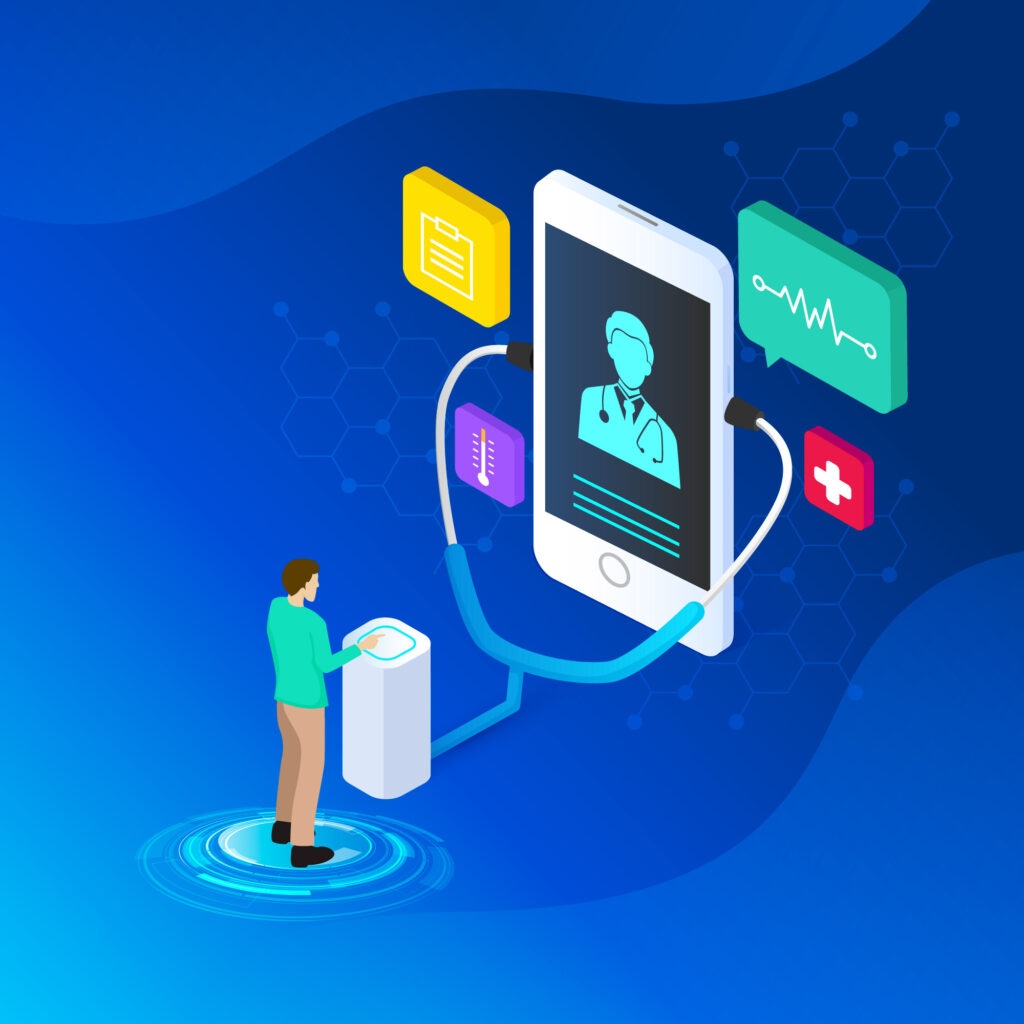
The rapid digital transformation of the healthcare system has revolutionized i.e. how medical services are delivered and consumed. From online appointment scheduling to real-time access to medical histories, technology allows both providers and patients in unprecedented ways. At the heart of this evolution are patient portals and mobile health applications—tools that put important health information directly into the hands of patients. Patient portals serve as secure digital ways where individuals can access their medical records, lab results, prescriptions and communicate with healthcare providers. Mobile health apps extend this functionality by enabling users to track vitals, set medication reminders, and monitor chronic conditions on the go. Despite their growing availability, the effective use of these tools depends largely on how well patients understand and engage with them. That’s why education of patient portals plays a very important role. Empowering patients to navigate these platforms confidently leads to better communication, improved treatment and more informed decision-making. Moreover, it improves the overall efficiency of the electronic health record systems and ensures smooth health information management. In this guide, we’ll explore a step-by-step approach to educating patients on using digital health tools, featuring Roojh—a modern, intuitive hospital management software built to simplify patient engagement and make digital healthcare more accessible to everyone. Why is Educating Patients Essential? As the healthcare system increasingly adopts digital tools, one challenge occurs in how patients know how to use digital health tools. Despite the availability of patient portals and mobile health apps, many patients struggle with accessing and navigating these platforms due to barriers like limited technological literacy, fear of data misuse, language limitations, and lack of reliable internet access, especially in rural areas. According to a 2023 survey by the Office of the National Coordinator for Health Information Technology (ONC), nearly 40% of patients reported feeling overwhelmed or confused when using online health systems for the first time. For elderly populations, this number increases significantly due to unfamiliarity with digital interfaces. This digital divide directly affects patient engagement in turn to health outcomes. When patients lack the confidence or knowledge how to use health technologies, they miss critical updates, delay medication adherence or skip follow-ups, all can affect recovery or chronic disease management. Educating patients addresses these gaps by promoting digital literacy and enhancing overall trust in the healthcare system. It transforms passive patients into active participants in their care journey, leading to improved communication, greater transparency and better management of personal health information. From a provider’s perspective, this also supports more efficient health information management. When patients know how to update their records, track their symptoms, or share relevant data through portals and apps, it reduces the administrative burden on clinics and ensures a more accurate and holistic view of the patient’s health history. In practical, solutions like Roojh offer user-friendly interfaces and step-by-step guidance that make the adoption of these digital tools easier. Hospitals using Roojh have seen a measurable increase in patient satisfaction and participation, simply by investing in basic onboarding and tech education during appointments. By closing the knowledge gap, patient education becomes the foundation of truly connected and patient centered digital care. Step-by-Step Patient Education Framework Step 1: Awareness and Introduction The first step in patient education is simply making them aware that these tools exist and can make their lives easier. Most patients still rely on traditional methods like calling the clinic or visiting in person to check appointments or access test results. That’s why creating awareness through multiple channels is essential. Hospitals and clinics using Roojh can leverage flyers at reception desks, SMS notifications post-appointment, and direct physician recommendations during consultations to introduce the benefits of patient portals and mobile health apps. This multichannel approach ensures patients are informed in a way that’s accessible to them. Highlighting features like 24/7 access to records, reduced paperwork, and faster communication can help patients understand the immediate benefits of using Roojh. Visual branding, such as posters with QR codes leading to the app download, can boost engagement at clinics. By positioning Roojh not just as a patient management software but as a personal health assistant, healthcare providers can build curiosity and motivate patients to take the next step. Step 2: Easy Onboarding and Registration Once awareness is created, the next important step is onboarding. The sign-up process should be simple, secure, and stress-free. Roojh streamlines this experience with one-click sign-ups and OTP-based logins, removing the common friction points that discourage new users. At the clinic level, front-desk staff or health navigators can guide patients through their first login. Hospitals can set up digital kiosks or assign tech-savvy staff to assist with app downloads and profile creation, ensuring no patient is left behind. Roojh’s intuitive design is built for inclusivity, offering an interface that doesn’t require tech expertise. Clean layouts, simple menus, and easy to understand icons make navigation more easy. Smooth onboarding sets the tone for a positive digital experience and reduces drop-off rates. When patients feel confident using Roojh from the start, they’re more likely to use it regularly to manage appointments, lab results, and prescriptions which are the key components of any good patient management software. Step 3: Hands-On Training Training patients to use health portals effectively ensures they fully understand the app’s capabilities and can maximize its use. Roojh encourages hands-on learning through a combination of group classes and visual learning tools. Hospitals can organize small workshops in waiting areas, where trained staff demonstrate how to book appointments, check lab reports, and request medication refills using the app. Additionally, personalized sessions can be offered to patients needing extra help, such as elderly users or those with limited tech experience. Instructional videos and printed booklets available in clinics help reinforce learning after the session. Roojh also supports touchscreen kiosks, allowing patients to interact with a demo version before committing to the full platform. Step 4: Demonstrate Key Features Understanding what the app can do is important. Patients are more likely to stay engaged when they see the value of the
EHR Implementation Costs: What You Need to Know

Electronic health record systems (EHR) have become an essential component of modern healthcare, streamlining patient data management, enhancing workflows, and improving patient care. While their benefits are undeniable, the implementation of these systems comes with significant financial considerations. Understanding the costs associated with EHR implementation is important for healthcare providers to budget effectively and maximize their return on investment. From initial setup expenses to long-term maintenance, every stage of the process requires careful planning. In this blog delves into the critical cost factors involved in adopting an EHR system and how organizations can strategically manage these expenditures. Key Cost Factors Considering EHR Implementation Initial Investment Costs Implementing an electronic health record system requires a substantial initial investment. Healthcare facilities must purchase the EHR software, hardware components such as servers or cloud-based solutions, and other necessary infrastructure. Additionally, integration with existing healthcare systems can increase upfront expenses. Customization is another cost factor, as many organizations require tailored solutions to meet their operational needs. Data migration from legacy systems to the new platform is often complex and time-consuming, necessitating technical expertise and adding to implementation costs. Healthcare providers must allocate adequate funds for these initial expenses to ensure a smooth transition. Training and Staff Onboarding Training is a crucial aspect of EHR adoption. Without adequate training, healthcare professionals and administrative staff may struggle to utilize the system efficiently, leading to operational disruptions. Training programs often include workshops, online courses, and hands-on practice sessions to familiarize users with the software. Costs may also arise from hiring external trainers or developing in-house training modules. Well-structured training ensures that employees can navigate the new patient management software effectively, minimizing errors and enhancing productivity. Investing in training not only improves system adoption but also optimizes workflow efficiency within the organization. Ongoing Maintenance and Support Beyond the initial investment, organizations must budget for ongoing maintenance and technical support. Regular software updates, security patches, and troubleshooting services are necessary to keep the EHR system functional and secure. Subscription fees for cloud-based EHR solutions and costs associated with a dedicated IT support team contribute to long-term expenses. Effective health information management requires continuous system optimization, ensuring smooth operations and data integrity. Without proper maintenance, healthcare facilities may experience system failures, security vulnerabilities, and reduced operational efficiency, making proactive management essential. Data Security and Compliance Costs Ensuring compliance with healthcare regulations is a fundamental aspect of EHR implementation. Protecting patient data is critical, requiring robust cybersecurity measures such as encryption, multi-factor authentication, and intrusion detection systems. Compliance with HIPAA and other data protection laws necessitates regular audits, legal consultations, and investments in security infrastructure. Healthcare providers must allocate funds for cybersecurity training to educate staff on best practices for data protection. A failure to meet regulatory standards can result in significant legal penalties and reputational damage, making security investments a non-negotiable expense. Customization and Integration Expenses Many healthcare facilities require customized EHR solutions tailored to their specific workflows. Customization may involve developing specialty-specific templates, modifying system functionalities, and integrating third-party applications such as laboratory management or billing software. Seamless interoperability within the healthcare system is crucial for enhancing efficiency and patient care coordination. However, the more customization a facility requires, the higher the associated costs. Balancing customization within budget constraints is essential to achieving an optimal solution that meets operational needs without excessive spending. Downtime and Productivity Loss Transitioning to an EHR system often results in temporary disruptions to daily operations. Staff members need time to adapt to the new system, which can lead to slower patient processing and potential revenue loss. To minimize productivity loss, healthcare facilities can adopt phased implementation strategies, allowing different departments to transition at different times. Running parallel operations with legacy systems can also ease the shift, ensuring that critical processes continue without major disruptions. Planning for downtime costs and developing strategies to mitigate workflow interruptions are essential to maintaining service quality during implementation. Return on Investment (ROI) Considerations Despite the high upfront costs, electronic health record systems offer significant long-term financial and operational benefits. Improved efficiency reduces administrative burdens, while enhanced data accessibility leads to better patient outcomes. Automation of routine tasks, streamlined documentation, and real-time data access contribute to increased productivity. Additionally, healthcare facilities may qualify for government incentives or reimbursements for EHR adoption, further offsetting costs. By carefully assessing potential savings and improvements in service quality, organizations can justify their investment and ensure long-term profitability. Read More: Electronic Health Record Systems (EHR): A Complete Guide Conclusion EHR implementation involves a series of complex financial and operational decisions. From initial investments to ongoing maintenance, security, and productivity considerations, healthcare providers must strategically manage resources to maximize the benefits of their patient management software. While the costs can be significant, the long-term advantages—such as improved health information management, enhanced patient care, and streamlined workflows—make EHR adoption a worthwhile investment. By carefully planning each stage of implementation and prioritizing staff training and security, healthcare organizations can ensure a smooth transition and maximize the value of their EHR systems. Roojh provides the best solutions to help healthcare providers effectively manage EHR implementation costs while optimizing efficiency and compliance.
Electronic Health Record Systems (EHR): A Complete Guide
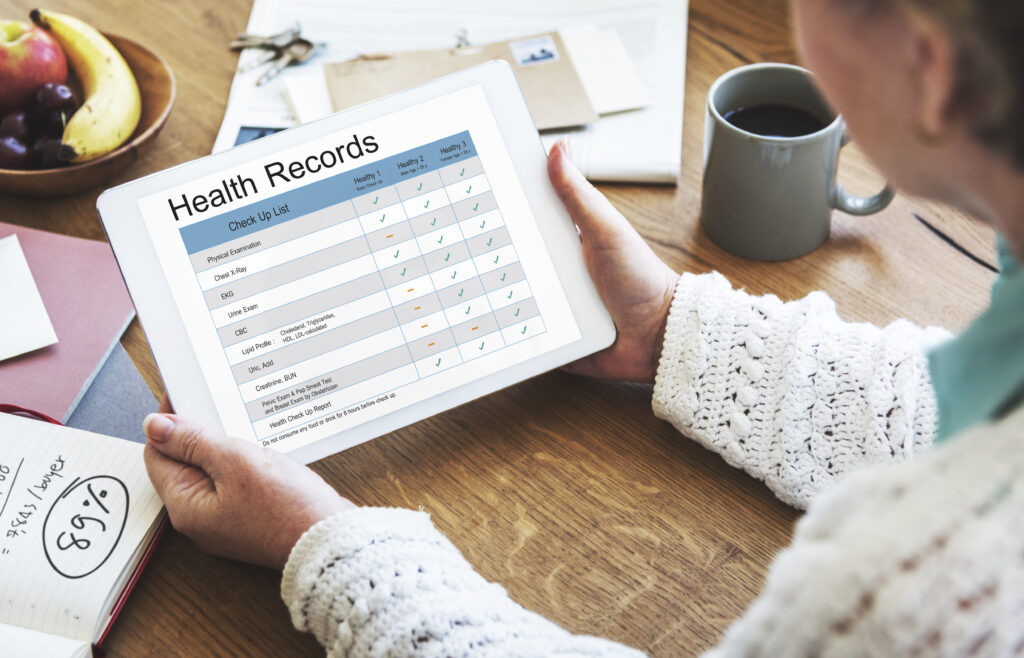
As digitalization occurs in the healthcare industry, the Electronic Health Record systems play a critical role in streamlining operations, improving patient care, and optimizing workflow. These systems integrate patient management software with advanced health information management tools to provide seamless, real-time access to medical records. By eliminating paper-based documentation, EHRs improve efficiency, reduce errors, and promote data-driven decision-making. In this guide, we will explore what EHR systems are, their advantages, types, challenges, and their future role in the evolving healthcare system. What Are Electronic Health Record (EHR) Systems? Electronic Health Record Systems are digital platforms that store, manage, and retrieve patients’ medical history, treatment plans, laboratory results, and other important health information. These systems are designed to enhance the efficiency of the healthcare system by providing healthcare professionals with real-time access to patient records. EHR systems go beyond simple documentation by integrating patient management software that facilitates scheduling, billing, and prescription management. They enable easy communication among healthcare providers, ensuring better coordination of care. Additionally, they help in maintaining regulatory compliance and data security through robust health information management practices. As the demand for digital healthcare solutions grows, EHR systems continue to play an essential role in medical institutions worldwide. Advantages of Electronic Health Record Systems Improved Patient Care EHR systems enhance patient care by providing accurate and up-to-date medical histories, reducing errors, and supporting evidence-based treatment decisions. Doctors can access critical information such as allergies, medication history, and test results in real-time. Automated alerts and decision-support tools help in diagnosing and managing chronic diseases more effectively. Integration with the software ensures easy coordination between healthcare providers, leading to improved treatment outcomes. With EHRs, healthcare professionals can track a patient’s progress over time and adjust treatments accordingly. Moreover, electronic prescriptions reduce medication errors, improving overall patient safety. Increased Efficiency and Workflow Optimization By digitizing patient records, EHR systems eliminate the need for physical storage and manual paperwork and this significantly improves workflow efficiency. Automated documentation and recovery processes saves time for both medical staff and administrative personnel. Integrated health information management tools streamline appointment scheduling, billing, and insurance claims processing. This reduces administrative burdens, allowing healthcare professionals to focus on patient care. Additionally, EHRs minimize redundant tests by providing instant access to past diagnostic results. Real-time data sharing among departments ensures smooth coordination and faster decision-making. Enhanced Data Security and Compliance EHR systems incorporate advanced security measures such as encryption, access controls, and audit logs to safeguard patient information. Compliance with regulatory standards like HIPAA and GDPR ensures the confidentiality and integrity of medical records. These systems offer role-based access, restricting unauthorized personnel from viewing sensitive data. Cloud-based EHR solutions provide secure data backups, preventing loss due to hardware failures or cyber threats. Regular security updates and monitoring further enhance protection against data breaches. By maintaining accurate and secure records, EHR systems help healthcare organizations build patient trust and regulatory compliance. Better Coordination and Communication Among Providers EHR systems improve coordination between primary care physicians, specialists, and other healthcare providers by enabling better data exchange. Instant access to shared records ensures that all involved professionals have a complete understanding of a patient’s medical history. This reduces duplication of tests and prevents conflicting treatments which help in enhancing patient safety. Telemedicine integration within EHR systems further improves communication, especially for remote consultations. Enhanced interoperability between different healthcare facilities ensures continuity of care for patients across various settings. Reduced Costs and Resource Utilization The adoption of EHR systems leads to cost savings by eliminating paper-based documentation, reducing administrative expenses, and optimizing resource allocation. Automated processes lower staffing costs by minimizing the need for manual data entry. EHRs reduce duplicate testing and unnecessary hospitalizations, saving both patients and healthcare facilities significant expenses. Digital billing and automated insurance claim processing speed up reimbursements, improving financial efficiency. Furthermore, improved patient care and reduced readmission rates lead to long-term cost benefits. By optimizing workflow and reducing inefficiencies, EHRs make healthcare delivery more cost-effective. Types of Electronic Health Record Systems 1. Cloud-Based EHR Systems Cloud-based EHR solutions store patient data on secure remote servers, allowing access from any location with an internet connection. These systems offer scalability, reduced IT maintenance costs, and automatic software updates. These systems are ideal for healthcare providers looking for cost-effective and flexible solutions. They support interoperability by enabling smooth data exchange between different healthcare facilities. Additionally, cloud storage enhances disaster recovery capabilities by ensuring data backups. Security features such as encryption and multi-factor authentication protect patient information from unauthorized access. 2. On-Premise EHR Systems On-premise EHR systems store data within a healthcare facility’s internal servers, offering complete control over security and customization. These systems require higher upfront investment and IT maintenance but provide enhanced data privacy. Large hospitals and healthcare institutions prefer on-premise solutions due to their ability to integrate with existing infrastructure. Organizations can customize the system based on specific workflow requirements. Since data remains within the facility, these systems reduce dependency on third-party vendors. However, they require dedicated IT teams to manage updates, security protocols, and system performance. 3. Specialty-Specific EHR Systems Specialty-specific EHRs are designed to cater to the unique needs of particular medical fields, such as cardiology, dermatology, and paediatrics. These systems include customized templates, tools, and workflows customized to the specific requirements of different specialties. Specialty EHRs improve efficiency by streamlining documentation and diagnostic procedures for specialized treatments. They integrate with medical imaging and diagnostic devices relevant to the specialty. Physicians benefit from automated recommendations based on specialty-specific guidelines. These EHRs enhance patient outcomes by ensuring specialized treatment protocols are followed effectively. Read More: How Patient Management Software Helps Reduce Medical Errors Challenges in Implementing EHR Systems 1. High Initial Costs The implementation of EHR systems requires substantial financial investment in software, hardware, training, and ongoing maintenance. Small healthcare practices may find it challenging to allocate sufficient resources for adoption. 2. Data Security Concerns The risk of cyber threats and data breaches remains a major concern for healthcare organizations using digital records. Regular security audits and