AI in Healthcare: How ‘Ask Roojh’ Can Help
The world of healthcare is evolving rapidly, with Artificial Intelligence (AI) playing an increasingly crucial role in making healthcare more accessible, efficient, and personalized. AI-driven solutions are transforming the way patients manage their health, interact with doctors, and access vital medical information. One such revolutionary AI tool is ‘Ask Roojh’, an intelligent health assistant embedded within Roojh Health, a comprehensive patient management software designed to simplify healthcare for individuals. The Rise of AI in Healthcare AI has become a game-changer in healthcare, enabling faster diagnoses, predictive analytics, and efficient data management. It enables individuals to proactively manage their health while easing the workload on healthcare professionals. AI-driven solutions can analyze vast amounts of medical data, provide recommendations, and enhance doctor-patient interactions. With AI, healthcare is becoming more proactive rather than reactive, helping people make informed decisions before health issues escalate. What is ‘Ask Roojh’? ‘Ask Roojh’ is an AI-powered medical assistant integrated within Roojh Health. It acts as a virtual health guide, offering users instant access to medical insights, symptom analysis, and health recommendations. Unlike a simple search engine that may present scattered and sometimes misleading information, ‘Ask Roojh’ is built with medical accuracy and reliability, ensuring users receive credible and relevant health-related responses. How ‘Ask Roojh’ Enhances Healthcare Management 1. Instant Medical Guidance While not every health issue demands an urgent doctor visit, unreliable information can cause unnecessary worry and confusion. ‘Ask Roojh’ provides quick, AI-driven medical guidance based on symptoms, helping users understand possible conditions and when to seek professional help. While it doesn’t replace a doctor’s consultation, it offers preliminary insights that can ease anxiety and encourage timely action. 2. Seamless Integration with Patient Management Software Roojh Health functions as a comprehensive patient management software, allowing users to securely store and manage their medical records, prescriptions, and test results. ‘Ask Roojh’ enhances this experience by leveraging AI to analyze stored health data, providing personalized recommendations based on an individual’s medical history. This ensures that users receive insights tailored to their unique health conditions. 3. Monitoring Chronic Conditions with AI Support Effectively managing chronic conditions like diabetes and hypertension demands consistent tracking and timely interventions. ‘Ask Roojh’ assists users by: By leveraging AI-driven insights, users can take a proactive role in managing their health rather than solely depending on scheduled doctor visits. 4. Empowering Users with Informed Health Decisions The ability to make well-informed health decisions is crucial for long-term well-being. ‘Ask Roojh’ enhances health literacy by breaking down complex medical terms into simple, understandable explanations. Whether users are researching a prescribed medication, understanding a test result, or exploring treatment options, ‘Ask Roojh’ ensures they have access to the right information at the right time. AI and Data Security in Healthcare One of the primary concerns with AI-driven healthcare solutions is data security. Roojh Health, as a trusted patient management software, ensures that all health records are securely encrypted and comply with government regulations, including the ABHA (Ayushman Bharat Health Account) initiative. ‘Ask Roojh’ operates within this secure ecosystem, ensuring user data remains confidential and protected while delivering valuable insights. The Future of AI in Personal Healthcare Management AI is advancing rapidly, and its impact on healthcare is set to grow even further. With advancements in predictive analytics, machine learning, and real-time health monitoring, AI-driven tools like ‘Ask Roojh’ will become even more precise and proactive in healthcare management system. Potential future advancements may include: Why Choose Roojh Health? Roojh Health is more than just an app—it is a holistic patient management software designed to simplify healthcare for individuals. Whether you’re looking for a secure platform to manage your medical records, AI-powered health insights, or smooth integration with government healthcare initiatives like ABHA, Roojh Health offers a complete and reliable solution. With ‘Ask Roojh’ by your side, managing health has never been easier. The AI-driven medical assistant provides precise, real-time, and tailored health insights, empowering you to take charge of your well-being. Read More: What is the Impact of Telemedicine in the Health Management System? Final Thoughts AI in healthcare is no longer a futuristic concept—it is transforming lives today. Tools like ‘Ask Roojh’ are redefining personal health management, offering users instant access to credible medical insights while seamlessly integrating with their health records. With Roojh Health’s patient management software, individuals can enjoy a smarter, more informed approach to healthcare. To explore how ‘Ask Roojh’ can simplify your health journey, visit Roojh Health today!
Electronic Health Records vs. Hospital Management Software: What’s the Difference?
The healthcare industry has observed a significant change with the adoption of various digital tools that improve efficiency and patient care both. Among these health tools, electronic health records (EHR) and hospital management software (HMS) plays a very vital role in smooth medical processes. Along this, both tools have some essential functions which cater to different aspects of healthcare administration. To implement the right technology within a healthcare management system, first we have to understand their basic difference with their features which is necessary for.healthcare providers Electronic Health Records The EHR stands for Electronic Health Records, which records a patient’s whole paperwork in the digital form and replaces the traditional paperwork. These platforms assemble medical history, treatment plans, prescriptions, lab results, and diagnostic images, ensuring easy access to critical data and more. EHR is a well-integrated system that definitely improves clinical decision-making by providing real-time updates on patient health status. Along with this, it ensures conformity with regulatory standards, and provides smooth communication between medical departments and external healthcare institutions and ensures good care. Features and Benefits of EHR Hospital Management Software THe HMS stands for Hospital Management Software, that provides a more comprehensive solution that goes beyond medical records. It integrates various administrative and clinical functions within a healthcare management system, facilitating hospital workflows, patient engagement, and operational efficiency. This software streamlines with the best features like appointment scheduling, billing, resource allocation, and inventory management too. HMS is the combination of multiple functionalities as it improves coordination among different departments, better optimizing service delivery and improving healthcare outcomes. Features and Benefits of HMS Key Differences Between EHR and HMS Aspect Electronic Health Records (EHR) Health Management Software (HMS) Main Function Manages patient medical records Smoothly maintains administrative and clinical operations Scope Focuses on patient history and medical data Focus on scheduling, billing, inventory, and resource management User Base Healthcare providers and specialists Hospital administrators, doctors, and support staff Interoperability Connects with other medical institutions Integrates various hospital departments Regulatory Compliance Ensures data security and privacy Supports operational compliance with healthcare laws How to Decide the Right Solution for Healthcare Facilities Selecting between these two technologies depends on the specific needs of a healthcare facility. Hospitals or institutions, want to maintain efficient data recording and restore patient care will benefit from EHR. However, institutions looking to optimize operations, manage financial transactions, and improve workflow efficiency require a healthcare management system move with HMS functionalities. Outcome The successful integration of digital solutions ensures perfect healthcare delivery and better patient experiences. EHR plays a pivotal role in clinical documentation and regulatory compliance, while HMS offers a broader scope by managing overall hospital operations. While deciding the appropriate solution, it totally depends on organizational requirements and long-term goals. An effective software for hospitals combines the strengths of both, ensuring enhanced efficiency, improved patient outcomes, and a well-coordinated medical environment.
Hospital Management Software vs. Traditional Systems: Which is Better?
The modern healthcare industry, hospitals and medical institutions face significant challenges in managing their operations efficiently. Previously, to handle patient records, billing, and administrative processes, hospitals concentrated on manual working and paperwork. However, with the evolution of hospital management software, healthcare facilities are shifting towards digital solutions to enhance productivity and patient care. In this blog, we will compare hospital management software with traditional hospital systems, highlighting their advantages, disadvantages, and the impact they have on hospital administration and patient experience. Traditional Hospital Management Systems The traditional hospital management systems prefer to do manual working. Previously people manually did recording of patient data, documentation, billing, managing appointments and inventory, etc. Key Features of Traditional Systems Challenges of Traditional Systems Hospital Management Software The modern Hospital management software (HMS) is a digital solution designed to automate and make it easy to handle hospital operations, improving efficiency, lessening errors, and improving patient care. The HMS integrates multiple sections of the hospital like patient registration, appointment scheduling, billing, inventory, and electronic health records (EHRs). Key Features of Hospital Management Software Comparing Traditional Systems vs. Hospital Management Software Basis Traditional Hospital System Hospital Management Software Patient Records Paper-based, chances to loss data Digital, secure, easy to maintain Appointment Scheduling Do manual which is time-consuming Automated and do real-time scheduling Billing & Payments Do manually and have higher chances of errors Integrated system, automated and error-free Data Accessibility Limited to files in the hospital Data can be accessible from anywhere, anytime Operational Efficiency Requires more staff and effort Streamlined automated workflow Telemedicine This option not available, you have to go directly to the medical shop Proper integrated telehealth services with consultation Why Are Hospitals Moving Towards to Hospital Management Software? For providing better healthcare services and their growing patients demands and regulatory compliance requirements, hospital management software is becoming the preferred choice over traditional methods. Here’s why hospitals are making the switch: Better Patient Care & Engagement: A hospital management system improves patient experience through faster registration, quick access to medical records, and digital prescriptions. Patients can book appointments online, reducing long wait times and improving satisfaction. Higher Accuracy & Reduced Errors: Manual hospital systems have more chances of human errors in billing, record-keeping, diagnosis, etc. But due to HMS software, the things are automated and ensure accurate medical records, billing, and reporting. Improved Hospital Administration: A software for hospital management integrates all departments and improves communication between the doctors, nurses, pharmacists, and administrative staff. All these results in better coordination and helps to make better decisions. Cost Savings & Resource Optimization: With the help of hospital management software, hospitals save their operational costs by reducing paper-based work, minimizing manual labor, and optimizing resource allocation. Compliance & Data Security: In HMS, there are advanced security features like encryption and multi-factor authentication to ensure patient data safety. Also HMS solutions are designed to comply with healthcare regulations such as HIPAA, NABH, and GDPR. Read More: Hospital Management Software: Transforming Healthcare Operations The Future of Hospital Management: Digital Transformation The adoption of hospital management software is not just a trend; it is the future of healthcare. Emerging technologies such as AI-powered analytics, cloud computing, IoT-based health monitoring, and blockchain for medical records are shaping the next generation of hospital management solutions. Conclusion: Which is Better? While traditional hospital management systems have been in use for decades, they come with several limitations such as inefficiency, errors, and high operational costs. On the other hand, hospital management software offers a scalable, secure, and automated solution that enhances hospital operations, reduces costs, and improves patient care. If you are a hospital administrator looking to transition to a hospital management system, now is the right time to embrace digital transformation and future-proof your healthcare facility with Roojh. Ready to upgrade your hospital operations? Contact us today to learn more about the best hospital management software for your needs!
What is the Impact of Telemedicine in the Health Management System?

The modern health digital solutions have transformed the healthcare sector totally by making services more accessible and efficient. Telemedicine has emerged as a critical component in this sector, it enables remote consultations, reducing wait times, and improving healthcare delivery. This integration of technology within the health management system enhances patient care and helps in smooth workflows. When combined with software with the management system, telemedicine ensures a more connected and responsive healthcare environment. Benefits of Telemedicine in Health Management System Here, we explain the benefits of telemedicine with their impact on the management of the health system. Expanding Access to Healthcare One of the most important benefits of telemedicine is its ability to provide medical assistance regardless of any geographical limitations. Patients in remote or underprivileged areas can easily connect with the health professionals without the need to move anywhere. A well-implemented management system for health provides these interactions by ensuring that medical histories, prescriptions, and diagnostic reports are readily available during virtual consultations. This smooth exchange of information improves decision-making and leads to better patient outcomes. Improve Efficiency in Patient Management For perfect patient care,timely managed appointments, tracking actual medical records, and guaranteeing timely follow-ups are necessary. Telemedicine, when integrated with patient management software, optimizes and enables automated scheduling, digital record-keeping, and secure smooth communication channels. This reduces the workload of administration and allows healthcare professionals to focus on quality care. Additionally, the synchronization of software for hospitals with telemedicine platforms ensures that treatment plans and prescriptions are updated in real-time, eliminating discrepancies and enhancing coordination. Cost Effective Healthcare By virtual consultations, the expenses of in-person visits are automatically cut down. The cost of infrastructure, travel, and administrative resources is minimized and makes healthcare more cost effective. A strong and modern integration of healthcare management systems with telemedicine enables providers to allocate resources efficiently, ensuring better financial sustainability. Patients also benefit from reduced hospital visits, lower consultation fees, and minimized loss of work hours. Improving Chronic Disease Management Patients with very bad conditions require proper monitoring and regular consultations. Telemedicine makes simple disease management by allowing remote monitoring through wearable devices and digital health tracking systems. When linked to patient management software, these tools provide real-time data on vital health metrics such as blood pressure, glucose levels, and heart rate. The professionals can assess trends, adjust treatment plans, and provide timely interventions. This incorporation guarantees that chronic disease patients receive proactive and personalized care. Improve Data Security and Compliance With the rise of digital healthcare innovation, there is a rise of security of sensitive patient data. The integration adheres to strict security protocols, safeguarding confidential information. Encrypted communications, multi-factor authentication, and compliance with regulatory standards protect patient records from unauthorized access. A well-structured system for healthcare confirms that telemedicine consultations are conducted within a secure framework, maintaining trust and credibility. Read More: How a Healthcare Management System Simplifies Hospital Operations Provide Mental Health Support By telemedicine, mental health has greatly benefited by allowing individuals to seek therapy and counseling remotely. Virtual consultations break barriers such as stigma and geographical constraints, encouraging more people to seek help. The health softwares plays a very important role in scheduled sessions, tracking progress,etc. Enhancing Emergency Response Telemedicine is useful in emergency situations, enabling quick assessment and guidance before patients reach a hospital. Remote consultations help determine the severity of a condition, allowing emergency responders to prioritize cases accordingly. Conclusion Finally the integration of telemedicine with the health management system has redefined healthcare delivery. By reducing barriers to access, improving patient engagement, and optimizing workflows, telemedicine ensures that healthcare providers deliver timely and efficient care. A well-structured healthcare management system of the Roojh enhances these benefits by enabling seamless data exchange and coordination among medical professionals. As digital healthcare continues to evolve, the adoption of telemedicine-driven solutions will play a crucial role in shaping the future of patient-centric care.
The Essential Role of Hospital Management Software in Modern Healthcare

In today’s fast-paced healthcare environment, efficiency and accuracy are more important than ever. With the growing demand for better patient care and streamlined operations, hospitals and clinics are turning to technology to bridge the gap. Hospital management software (HMS) has emerged as a cornerstone of modern healthcare, revolutionizing how facilities manage their daily activities. What is Hospital Management Software? Hospital management software is an integrated solution designed to streamline and automate the various operational processes in healthcare facilities. It covers a broad spectrum of functionalities, including patient registration, appointment scheduling, medical record management, billing, and more. By bringing these processes under one roof, HMS minimizes errors, saves time, and enhances the overall efficiency of the institution. Key Benefits of Hospital Management Software Roojh: A Comprehensive Hospital Management Solution One of the standout players in this field is , a state-of-the-art hospital management software designed to meet the diverse needs of healthcare providers. Roojh offers a comprehensive suite of features that enhance both patient care and operational efficiency. Why Roojh’s Stands Out? Roojh is designed with flexibility and scalability in mind, making it suitable for healthcare facilities of all sizes. Its intuitive design ensures that both staff and administrators can adapt to the system with ease, reducing the learning curve and improving productivity. Additionally, Roojh’s emphasis on security and compliance gives healthcare providers peace of mind, knowing that sensitive patient data is well-protected. Roojh’s telemedicine integration has been particularly impactful in today’s healthcare landscape, enabling facilities to reach a broader patient base and provide care without geographical constraints. Its patient-centered approach ensures a seamless experience for both patients and providers, making it a preferred choice for modern healthcare facilities. Read More: Hospital Management Software: Transforming Healthcare Operations Why Hospital Management Software is Important in Modern Healthcare? The healthcare industry is no stranger to challenges. From managing patient influx to ensuring data accuracy, hospitals face constant pressure to deliver better outcomes. Here’s why hospital management software is indispensable: Conclusion Hospital management software is transforming the healthcare landscape by making operations more efficient, transparent, and patient-centric. Solutions like Roojh are at the forefront of this transformation, empowering healthcare providers to deliver exceptional care while managing resources effectively. Roojh not only addresses the operational challenges of healthcare facilities but also equips them with the tools needed for future growth. With its comprehensive features and patient-focused approach, Roojh is setting a new standard for hospital management software, making it an essential component of modern healthcare.
Hospital Management Software: Transforming Healthcare Operations
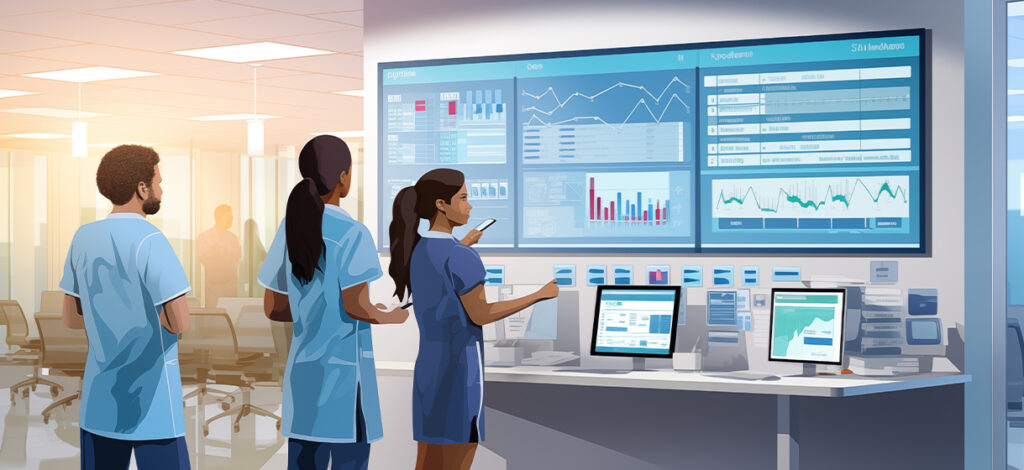
As the healthcare-theatre grapples with the disparities, there is no question that efficiency, accuracy, and smooth patient care will be the way to go. Hospital Management Software is a technological revolution that will help healthcare providers meet the latter’s needs. It performs operations in patient care where everyday activities will streamline operations, improve patient care, and optimize administrative tasks. Understand the importance of hospital management software in terms of features, and how it is reinventing the hospital industry. What is Hospital Management Software? Hospital Management Software is a complete digital solution for the day-to-day functioning of hospitals, clinics, and other health-care institutions. From patient registration to discharge, billing, medical records management, appointment scheduling, and inventory tracking, HMS simplifies and automates a variety of functions for improved efficiencies and accuracy. Features of Hospital Management Software Patient Management Patients can register, schedule appointments, and manage their medical history through a streamlined process. A centralized database for quick access to patient information. Electronic Medical Records (EMR): Images patient records digitally so they are available anytime, anywhere. data and confidentiality guaranteed. Billing and Financial Management Auto Payment for billings including claims and tracking insurance payments. Error reductions and financial transparency. Appointment Scheduling: Scheduling is much easier for both the patient and the providers of health services. Minimized appointment conflicts and waiting times are reduced. Inventory and Supply Management Tracks the inventory level of medicines, equipment, and supplies. Timely facilitation of procurement and avoidance of stock outs. Laboratory and Diagnostic Management Integrates laboratory and diagnostic workflow. It helps in reporting that is fast and accurate. Analytics and Reporting Provides in-depth insights into hospital operations. Doing in a way that supports making decisions based on data. Benefits of Hospital Management Software Better Patient Care By reducing the administrative load on the healthcare providers, they can devote more time and energy to patient care. Roojh – Your ultimate Hospital Management Solution It is Roojh that will serve you best when in search of the most trusted-hospital management software. Roojh has a broad set of the best features crafted to meet the unique needs of hospitals and healthcare providers. It has a user-friendly interface and strong functionality with a focus on securing data; therefore, it is preferred by healthcare institutions as they want to modernize operations. The reason that most Hospitals choose Hospital Management Software is; Since the healthcare industry always tends to face the threats of increasing patient satisfaction and improved mortality while constraining costs, Hospital Management Software does as follows: ● It provides real-time access to critical information● It reduces paperwork as well as manual errors● It improves adherence with regulatory standards Read More: The Essential Role of Hospital Management Software in Modern Healthcare Conclusion Hospital Management Software is actually a necessity today in one’s health care environment and not an option. The healthcare provider can now adopt a solution such as Roojh to streamline the operations within hospitals so that better care can always be given to the patient and, in this way, keep a hospital ahead of others in this profession. Be part of the promising future of health care, enjoy hospital management software and experience how it transforms your facility.
Roojh: The All-In-One Hospital Management System

The health industry continuously responds to the rising standards of efficiency and accuracy demanded even more today from healthcare facilities and their associated emerging desires for better and more convenient treatment. As more hospitals and clinics grow to supply a growing population, it will always be getting tougher for them to manage their operations. This is where hospital management software, like Roojh, earns its place-to streamline processes and transform the style with which an institution operates. What is Hospital Management Software? The hospital management software constitutes a complete electronic solution for linking and automating all the functions relating to the administration of a hospital, from patient records to appointment scheduling, billing, inventory, and so on. In other terms, HMS is just an integration of various functions in one system to enhance coordination among departments, reduction of errors, and provision of quality service. What Makes Roojh Unique? Roojh is a state-of-the-art hospital management software which redefines how healthcare organizations conduct their day-to-day activities. Using cutting-edge technology and intelligent features, Roojh is a comprehensive solution that meets the specific needs of hospitals, clinics, and multi-specialty centers. Essential Characteristics of Roojh Hospital Management Solutions Appointment Scheduling: Roojh saves the time of patients or doctors for fixing appointments by optimally employing the available resources. Patient Data Management: Managing patient records becomes easy with Roojh. This system keeps medical history, prescriptions, and diagnostic reports secure and retrieves them with just a few clicks. Billing and Financial Management: Billing is made easy through Roojh, including generating and tracking payment receipts with invoices; this brings with it accuracy and transparency. Inventory Management: Keep track of the stocks of available medical supplies, medicines, and equipment with the Roojh inventory management system to prevent wastage and ensure timely replenishment. Telemedicine: Roojh also provides seamless telemedicine, bringing health into homes for patients. Analytics and Reporting: The analytics feature from Roojh allows generating reports concerning the entire operation of the hospital, patient trends, as well as its financial health, hence supporting data-motivated decision-making. Read More: The Essential Role of Hospital Management Software in Modern Healthcare Roojh’s Hospital Management System Benefits Why There Is a Need for Solid Management Software in Hospitals? Hospitals need new management software because relying on old systems in the fast-moving contemporary healthcare environment ends in inefficiency, breaches of data, and frustrated patients. The modern hospital management software solutions such as Roojh are particularly equipped to handle: Conclusion Indeed, in this present age of necessary advancements, hospital management software is no longer a luxury but a necessity of pursuit by health institutions in the quest for excellence. With excellent innovative features backed by an uncompromisingly user-centric design layout, Roojh is well equipped to revolutionize the way hospitals perform their operations. Be it a tiny clinic or a vast multi-specialty hospital, whether you want to bring care at the next level or keep you updated with the latest trends in the competitive healthcare world, Roojh is here to make it all happen. Grab your future in healthcare management with Roojh today!
How Healthcare Management Systems Enhance Patient Care

In today’s increasingly hectic healthcare world, effective management of patient information is a key element in the delivery of excellent health care. During this course of action, Healthcare Management Systems (HMS) have become essential tools in the hands of healthcare providers, facilitating seamless operations improvement, enhancing workflow efficiencies, and improving overall patient care. A good Healthcare Management System (HMS) reduces clutter, improves the accuracy of medical records, and enhances communication between patients and doctors. Roojh offers a comprehensive HMS packed with features that directly improve patient care. In this blog, we’ll explore how these systems elevate care quality—and why Roojh stands out as one of the top choices for modern healthcare facilities. Key Benefits of Healthcare Management Systems for Patient Care Improved Access to Patient Data Fast access to accurate patient data is essential for effective decision-making in any hospital. An active health management system enables medical professionals to quickly reference stored medical histories, prescriptions, test results, and treatment plans. By storing records electronically, hospitals eliminate the need for duplicate paper files, which are prone to loss or outdated, inaccurate information. Roojh empowers healthcare providers to access complete patient profiles in real-time, allowing doctors and nurses to make faster, more informed decisions. As a result, patients receive prompt and precise treatment, which minimizes medical errors and significantly improves overall care outcomes. Efficient Appointment Scheduling Managing appointments often leads to issues such as overlapping bookings, patient no-shows, or missed follow-ups—all of which negatively impact patient care. To address this, Roojh streamlines the process by automating the entire appointment scheduling system. Specifically, it sends timely reminders to both patients and healthcare staff, ensuring that patients don’t forget their appointments. As a result, no-shows and cancellations are significantly reduced. In addition, the system dynamically adjusts appointment times based on patient availability, which helps minimize wait times and enhances the overall patient flow within the facility. Consequently, this not only boosts operational efficiency but also contributes to a significantly better patient experience. An efficient scheduling system contributes to the fact that Roojh allows healthcare providers to attend to care at the appointed time, create capacity, and enhance patient experience. Enhanced Communication and Coordination Efficient communication is key to boosting patient care activities. Without a unified platform of communication, healthcare workers spend a lot of time and effort attempting to retrieve vital information, which can prove critical in timely diagnosis or treatment. The application known as Roojh changes all of this by allowing medical staff to easily share test results, updates regarding the patients, and treatment plans. For instance, when a doctor orders a laboratory test, the system automatically directs the results to the doctor’s dashboard. This enables quick evaluation and informed discussion about the patient’s care pathway. Such a streamlined flow of communication enhances collaboration and reduces the risk of miscommunication between departments, ensuring patients receive effective and well-coordinated treatment. Real-Time Alerts and Reminders Severe outcomes can result from missing critical steps in patient care. Roojh has established automated alerts and reminders, which will inform healthcare providers about important actions like upcoming appointments, follow-up tests, or overdue treatments. All notifications can be customized appropriately to a patient’s care journey. For example, when a patient needs to schedule a follow-up visit, Roojh sends a reminder to the patient and notifies the healthcare provider. This ensures the healthcare professional takes the necessary steps, maintains continuity of care, reduces missed appointments, and improves patient compliance with treatment. Streamlined Billing and Payments This situation often leads to errors, delays, and frustration for both patients and healthcare providers. Roojh simplifies billing by automating invoicing and tracking payments. It fully integrates with each patient’s records, allowing the system to accurately bill and process every service rendered. It helps lift some workload off the shoulders of healthcare staff and prevents and minimizes common issues such as missed charges or billing discrepancies. Automated reminders for the payment and online payment options provide some ease for patients to pay the bills, improved cash flow for the facility, and improved patient experience. With billing streamlined this way, a health care provider can concentrate more on what truly matters- patient care. Read More: How a Healthcare Management System Simplifies Hospital Operations Why Choose Roojh? Roojh is the best Healthcare Management System craftily designed for today’s healthcare hospital. It streamlines workflows, enhances patient care, an automates tedious administrative tasks. From managing patient records to complying with the latest healthcare standards, Roojh makes all possible efforts and provides a complete solution to improve efficiencies while reducing operational costs. Conclusion The Healthcare Management System is a powerful medium to improve patient care in several ways. It makes it possible to quickly gain patient data access, automate scheduling, improve communication, add real-time alerts, streamline billing, and safeguard sensitive information – all of these help healthcare providers deliver bettercare while reducing the administrative burden. Roojh makes it possible to take such steps. In today’s world of healthcare, where every second and absolute correctness matters, a strong Healthcare Management System such as Roojh can very well build an impact on the quality of care dispensed to a patient. Roojh it and start improving patient care immediately!
How Patient Management Software Helps Reduce Medical Errors
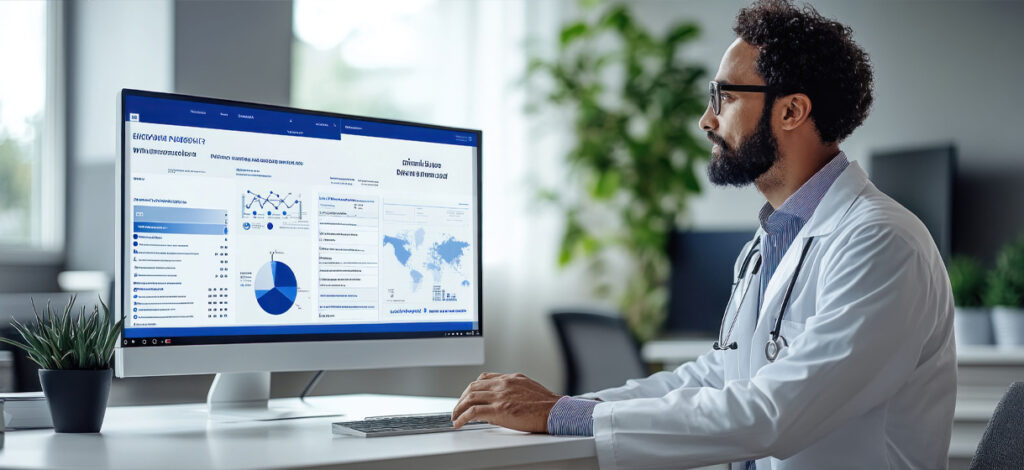
At present, healthcare remains a topic that is changing all the time- it is almost always patient safety. Medical errors do not merely put patients at risk, but they also waste health fortune built by health professionals. Hospitals and healthcare professionals can use Patient Management Software the great technology that enhances accuracy, speeds up health processes, and makes important documents available-towards minimizing medical errors. Let us now look at how patient management software will bring down the amount of medical errors dramatically and why Roojh is a great choice for health facilities trying to operate their facilities in an optimized manner. The Role of Patient Management Software in Reducing Errors Medical errors are common due to very poor communication, lacking information, or even slow processes. With patient management programme, these problems can be solved: Centralized Data Management The patient management software allows all patient information-gathering operations, such as history regarding prior illnesses, medications received, test results, and treatment plans, to be consolidated in one system-safeguarding against missing any important details or leaving anything incomplete so that healthcare providers can make better decisions with full knowledge of the patient’s condition. With Roojh, healthcare surfaces patients’ records anywhere at any time during the practice, ensuring reduced misdiagnosis or delay due to scattered information. Error-Free Prescription Management The most common types of medical errors are most frequently medication errors. Such accurate, legible prescriptions can be produced by patient management software, preventing the risks of handwriting errors.It also shows potential incompatibilities or allergic reactions based on indication for a certain treatment. Roojh has modern prescription tools to mitigate this risk, allowing doctors to give patients accurate and safe medication guidelines. Automated Appointment Scheduling and Reminders When someone misses an appointment or when their appointments overlap, the consultations turn rushed and such hurried consultation tend to have more chances of mistakes. Patient management software automates the scheduling, sends reminders to patients, and ensures a more seamless workflow between healthcare staff. Roojh makes appointment setting really easy, even allowing patients-and-providers to stay aligned without overlaps or missed care opportunities. Seamless Communication Efficient and effective communication among the medical practitioners, the patients, and the other departments is essential to reduce errors. The patient management software avails this seamless communication by offering a platform through which the updates, reports, and instructions are shared. For the management teams, Roojh makes clinical collaboration effective such that miscommunication can be limited to reducing possible errors. Compliance with Healthcare Standards The management programs for patients typically have within them compliance resources that comply with the regulations such as HIPAA or ABDM as in India. They keep patient data safe and cut down chances for errors which may arise due to outdated or non-compliant processes. With Roojh compliance features, healthcare providers would be aligned with the latest standards for accuracy and security in patient management. Read More: Patient Management Software: Enhancing Health Efficiency Why Choose Roojh? Roojh is the software that does more than all those regular patient management software. Roojh is a complete solution to the modern healthcare facility. Check out the features that makes Roojh different: Conclusion Speed is a defining characteristic of the healthcare system today. Therefore, one of the major approaches to improving patients’ outcome and enhancing trust in the provider is to reduce medical errors. Patient Management Software plays a vital role in this respect through streamlining operations, data management, and providing better communication among healthcare stakeholders. However, Roojh goes ahead, offering a very powerful, user-friendly solution keeping in view the peculiarities of modern healthcare. Investing in Roojh is to invest in a solution that, besides reducing errors, would enhance overall performance in your facility. Are you ready to improve patient care and cut down on medical errors? Don’t wait any longer to discover how Roojh can revolutionize your practice!
Patient Management Software: Enhancing Health Efficiency

Patient management is a very important area in a developing health care system that focuseson quality care and making the processes very efficient. Patient Management Software or PMSin the healthcare setup becomes quite a revolutionist in dealing with tasks related to patients.Such as, appointment scheduling and medical records are also done through PMS, whereeverything is kept in the same path to work more efficiently and derive great satisfaction fromthat in the life of the patient. Let us now go through the features and benefits or importance ofpatient management software in modern healthcare. What is Patient Management Software? Patient management software is the digital medium that is meant for simplifying and fine-tuningthe performance of multiple areas of a person’s life concerning patient care and administration.It furnishes healthcare facilities with an integrated system to manage appointments, histories,billing, and even communication with a unified approach toward patients. Benefits of Patient Management Software Improved Patient Care Ensures timely and personalized care by organizing patient informationefficiently. Operational Efficiency Reduces administrative workload, allowing healthcare staff to focus on coretasks. Data Security and Compliance Protects sensitive patient data while adhering to healthcare regulations. Enhanced Communication Streamlines interactions between patients and healthcare providers, fosteringtrust and satisfaction. Cost and Time Savings Automates repetitive tasks, saving time and reducing operational costs. Read More: Why Every Healthcare Facility Needs a Patient Management Software Solution? Roojh: Your Best Patient Management Solution Medical practitioners who require a versatile but very durable solution for their patientmanagement software may find one very appropriate from Roojh. Aside from being user friendly,Roojh boasts advanced applications and has well-placed emphasis on data security, allowingcare facilities to provide better patient care with optimized operations. Considerations When Investing in Patient Management Software One requirement for the software is to be patient management software, as the whole worldnow is a jigsaw puzzle, especially in patient satisfaction and productivity. PMS would helphealthcare providers: – Limit mistakes and boost proving accuracy with patient care– Guaranteed patient care provision in time– Adopt modern technology to act favourably amidst competitors Conclusion With the transformation in the healthcare industry, patient management software indeed bridgesthe gap between administering and patient care. Implementing Roojh into the healthcarefacilities will improve outcomes, result in better quality of treatment, and set new standards inexcellence. Embrace the future of managing patients and, indeed, experience the positiveimpact on the facility.