Digital Health Records vs Paper Records: Which Is Better?
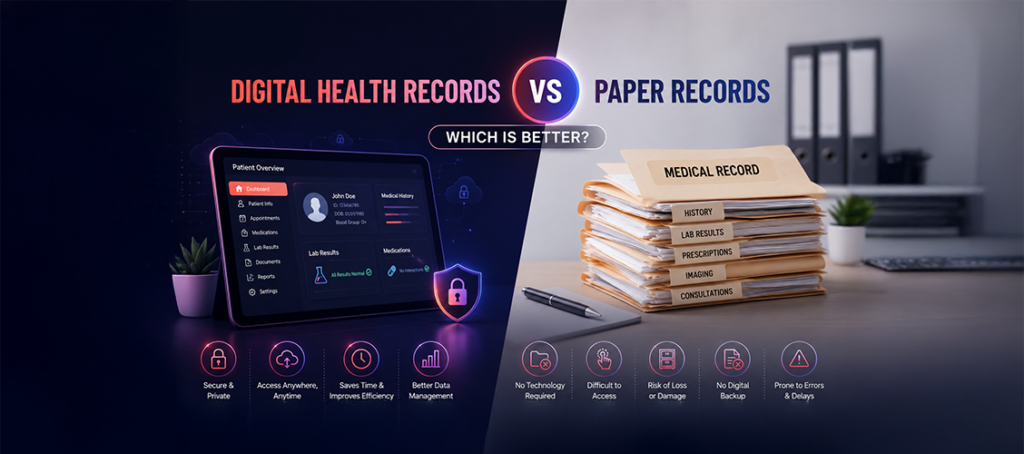
If you have ever rushed through a drawer filled with prescriptions, laboratory reports, and discharge reports in search of “that report from last year,” you definitely know the actual answer to this question. However, let’s discuss the issue in detail since your choice of storing your medical documents influences your speed of receiving treatment in case of emergencies, as well as your doctor’s understanding of your history and your stress level regarding the information about your health. Medical records contain a lot of information concerning the patient’s health history, including prescriptions, results of examinations, vaccination cards, and other things. Having access to this information fast could help in making healthcare more organized and less stressful for everyone. The modern tendency towards digitalization is why more and more people opt for digital medical records rather than paper ones. What Are Digital Health Records? Digital health records refer to electronic health records (EHR), personal health records (PHR). They include your medical history, medication, test results, and diagnoses that can be safely saved on an app in your phone or computer and not in paper form. In place of your file folder at every visit, your whole health records follow you around through one app. However, paper records pertain to actual printout, prescriptions, and reports that Indian patients have been using for years now, handy, yet fragile, disorganized, and easily lost when needed the most. Digital Health Records vs Paper Records: Quick Comparison However, in the current age where everything seems to be going digital, it is now easy and efficient to handle medical information. It may not be surprising to find out that the use of paper has long been the traditional way of keeping prescription information, test results, and patient’s medical history. 1. Accessibility 2. Risk of Loss or Damage 3. Sharing with Healthcare Providers 4. Emergency Situations 5. Tracking Health Trends Over Time 6. Family Health Management 7. Cost and Storage Requirements How Digital Records Are Replacing Paper in Healthcare How Roojh Simplifies Digital Patient Management And this is precisely the problem that Roojh has been designed to address, not by serving as yet another healthcare tool, but rather by being a health companion, putting you at the center of all your medical records. With the Roojh app, you can: How to Get Started with Roojh Frequently Asked Questions Are digital health records safer than paper records? Answer: Yes. Digital health records on a platform like Roojh are encrypted and backed up, so they can’t be lost, torn, or destroyed the way paper documents can. You also control exactly who is allowed to view them. What’s the difference between an EHR and a PHR? Answer: An electronic health record (EHR) is typically maintained by a hospital or clinic. A personal health record (PHR), like the one Roojh provides, is owned and controlled by you, the patient, and pulls together records from every doctor, lab, or hospital you’ve ever visited. Is it expensive to switch to digital health records as a patient? Answer: No. Roojh offers a free personal health record for individual patients, there’s no cost to download the app and start digitizing your medical history. Can I access my digital health records without the internet in an emergency? Answer: Most digital health apps, including Roojh, let you grant emergency access to trusted family members or download key information, so critical details like allergies or current medications are available even in urgent situations. Can I track my family’s health records on the same app? Answer: Yes. Roojh lets you create linked health profiles for parents, children, or other family members, so you can manage medication reminders, vaccination records, and check-ups for your whole household from a single account.
Digital Health Records: Security & Data Privacy Explained
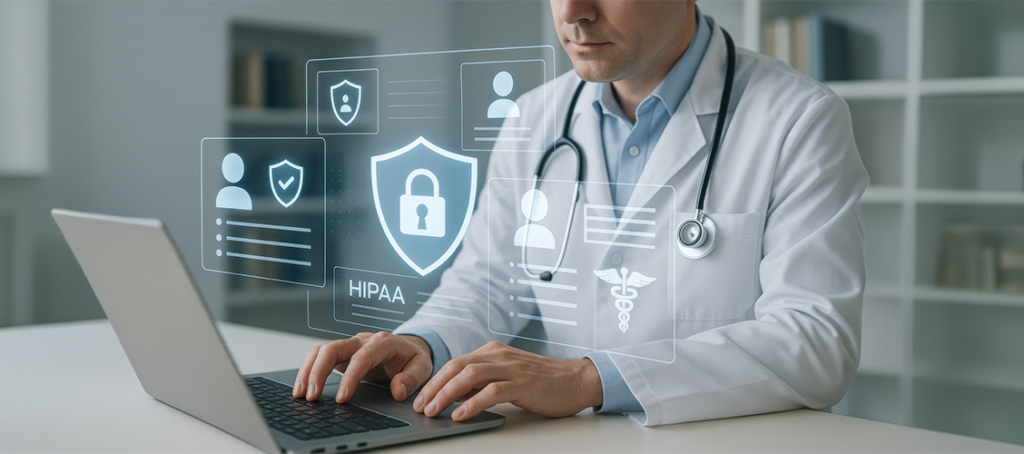
The modern world of healthcare does not include hospitals, paper documentation, and physical records only. Today, most healthcare procedures can be done digitally; it includes booking an appointment with doctors through websites, getting access to laboratory reports from phones, and saving the history of diseases in applications. This trend is increasing the convenience of modern medicine significantly and making the development of the best solutions for managing medical records within health applications an important requirement. You do not need to have piles of documents anymore and do not miss the necessary reports. Digital Health Records are the system in which all your medical information is kept safely. Nevertheless, despite the advantages of such systems, there is an obvious question from people: Is my health data safe here? This question is understandable since medical data is highly personal and should be confidential and safe at any cost. That is why modern digital health systems are created with such concerns in mind. What Are Digital Health Records A Digital Health Record is the digital form of your personal medical record where all your health-related information will be kept in one place. It is the electronic storage of your medical records, and there will be no need to keep the physical copies. There are various sections in the Digital Health Record. Why Digital Health Records Matter for You Traditional health care will keep your records spread on papers and in the hospital, where it is easy to lose records or do repetitive tests due to poor record keeping. This platform addresses this problem and ensures that all records are kept in one location. This helps you: A Simpler Way to Manage Health with Roojh Health management should be a simple process for everyone. Roojh functions as an all-in-one patient management tool that makes sure individuals’ health information remains uncomplicated in digital form. When it comes to healthcare in the conventional sense, most people find it hard to maintain records of their medical reports. People lose reports, misplace prescriptions, and do not have all the necessary information with them when consulting another doctor. The advantage of this website is that it provides users with one digital space where they can save everything in one place. With Roojh, you can: Is Your Health Data Safe? Yes, Here’s How This is perhaps the biggest concern regarding the use of digital healthcare services by any individual. Medical records of individuals are very private, and need to be protected by good security measures at all times. 1. Strong Encryption Encryption is basically a process where your medical information is turned into code before storage or transmission. The information cannot be deciphered by anyone who is not authorized to do so. In case an individual attempts to access your information via interception, he/she will see encrypted data which cannot be understood in any way. Your prescriptions, reports, and health details are therefore completely confidential all the time. 2. Secure Login System There is a good login system that makes sure that no one apart from yourself accesses your health records. Normally, a secure login system entails using strong passwords together with other forms of security measures such as OTP. With these extra security measures in place, there is very little chance that you will be logged into your account without verification. 3. Controlled Doctor Access Access management is one of the key functions of modern digital health care systems. Doctors will not automatically have unrestricted access to all your health history information. On the contrary, you can choose which data they can use and for how long. Moreover, you can always limit their access at any time. 4. Secure Cloud Storage Your health information is safely stored on secure servers made exclusively for storing medical records. Such servers are equipped with advanced protection techniques that include firewalls, encryption, restricted access environment, and other measures. In contrast to traditional storage systems, cloud servers guarantee that your information is protected against any physical damage and securely available whenever necessary. 5. Regular Security Monitoring Cyber attacks are constantly changing, and that’s why constant monitoring is key. Your system is continuously tested to find any suspicious behavior, possible weaknesses, or any attempted breach. Security upgrades are consistently installed to be prepared for any new threats that may emerge. With this measure, your health information will always be secure. How Roojh app Helps You in Real Life Digital Health Records are more than just an upgrade; they make a substantial difference in your day-to-day healthcare practice. Having your medical records well-managed and readily available speeds up the process of obtaining adequate medical care in various scenarios. 1. In Emergencies: The system makes it easy for doctors to gain access to key details related to your allergy, past diseases, drug intake, and other aspects. This allows making rapid and safer decision-making without delays caused by the availability of paper reports. 2. During Diagnosis: In order to get an accurate diagnosis, one needs a thorough analysis based on his/her medical history. As all the medical history is readily available in one place, it will give a better insight into the condition allowing avoiding misdiagnosis and unneeded tests. 3. To Avoid Repeated Tests: Another prevalent problem in conventional health care includes repeating some medical tests due to the unavailability of past reports. All lab reports are digitally stored. Thus, there is no need for conducting the same test again. 4. For Chronic Diseases: When dealing with any chronic illness, such as diabetes, high blood pressure, and heart diseases, having continuous tracking of medical history is very crucial. Continuous tracking will make it easy for you to document your whole health experience. As a result, it will be easy for physicians to change your medication depending on your medical history. 5. For Regular Visits: Having your medical records in one location is beneficial even during regular visits to the doctor’s office. There will be no more need to browse through your old files or bring papers with
Revolutionizing Senior Living with Next-Gen Care Solutions

The landscape of senior living is undergoing a significant transformation. With a growing aging population and increasing demand for personalized support, traditional caregiving methods are no longer enough to meet modern expectations. Today, technology is stepping in to bridge the gap, offering smarter, more efficient, and highly responsive care solutions. Next-generation care solutions are not just about convenience; they are about improving quality of life, ensuring safety, and empowering both caregivers and families. From real-time health monitoring to seamless communication tools, digital platforms such as a patient management system and health tracking app are reshaping how elderly care is delivered. These innovations are enabling caregivers to provide better patient care, while also giving families peace of mind. The Growing Importance of Digital Solutions in Elderly Care As caregiving becomes more complex, the need for structured and efficient systems is more critical than ever. Elderly individuals often require continuous monitoring, medication management, and coordinated care across multiple providers. This is where elderly care software plays a vital role. Before diving into its benefits, it’s important to understand how these solutions fit into the caregiving ecosystem. Key Contributions of Elderly Care Software: By integrating these features, elderly care software enhances both operational efficiency and the overall caregiving experience. Streamlining Caregiver Workflows with Smart Technology Caregiving involves a wide range of responsibilities that require precision, coordination, and timely execution. From managing medications to monitoring health updates, caregivers often juggle multiple tasks simultaneously. Without the right systems in place, this can lead to inefficiencies and errors. Smart technology helps streamline these workflows by introducing automation, improving organization, and enabling caregivers to focus more on quality patient care. Ways Technology Improves Caregiver Workflow: Enhancing Communication and Collaboration in Senior Care Effective communication is essential for delivering consistent and high-quality elderly care. With multiple stakeholders involved, digital tools help streamline interactions, reduce gaps, and ensure everyone stays aligned. Key Points: Ensuring Safety and Security in Elderly Care Environments Ensuring safety is a critical aspect of elderly care, as seniors are more susceptible to health risks, accidents, and emergencies. With the help of modern technology, caregiving environments are becoming more secure, proactive, and responsive. Digital tools not only help prevent risks but also enable quick action when needed, ultimately improving overall patient care. These technology-driven safety measures create a more secure ecosystem where seniors can live with confidence, and caregivers can deliver efficient and responsive care. Practical Strategies for Improving Elderly Care Management To fully leverage next-generation care solutions, adopting the right strategies is essential for improving elderly care management. Simply implementing technology is not enough; it must be thoughtfully integrated into everyday caregiving practices to deliver meaningful results. A reliable patient management system plays a crucial role by offering scalability, ease of use, and comprehensive features that support efficient operations. At the same time, encouraging technology adoption among caregivers is equally important. Providing proper training ensures that caregivers are confident in using digital tools, which leads to better coordination and improved patient care outcomes. When caregivers are equipped with the right knowledge and systems, they can deliver more consistent, accurate, and responsive care. In addition, integrating multiple tools such as a health tracking app with other digital platforms helps create a holistic approach to elderly care. This allows caregivers to access complete patient information and monitor health conditions in real time. Focusing on personalization is another key strategy, as data-driven insights enable customized care plans tailored to individual needs and preferences. Regularly reviewing and optimizing care processes further enhances efficiency by identifying gaps and improving workflows based on feedback and performance metrics. By combining these strategies with the best health app solutions, care providers can ensure that technology adds real value, leading to better management, improved safety, and enhanced quality of life for seniors. Read more: From Stress to Support: How the Roojh App Transforms Elderly Care Conclusion The future of senior living is being shaped by innovation and technology. Next-generation care solutions are transforming the way caregivers support elderly individuals, making care more efficient, personalized, and secure. By leveraging tools such as a patient management system, adopting the best health app, and utilizing a reliable health tracking app, caregivers can significantly enhance the quality of patient care. These technologies not only simplify caregiving processes but also empower seniors to lead healthier and more independent lives. As the demand for elderly care continues to grow, embracing digital transformation is no longer optional, it is essential. The integration of smart care solutions will play a crucial role in building a future where senior living is defined by dignity, safety, and compassion.
Cardiac Care Without Boundaries: The Power of Remote Patient Monitoring Software
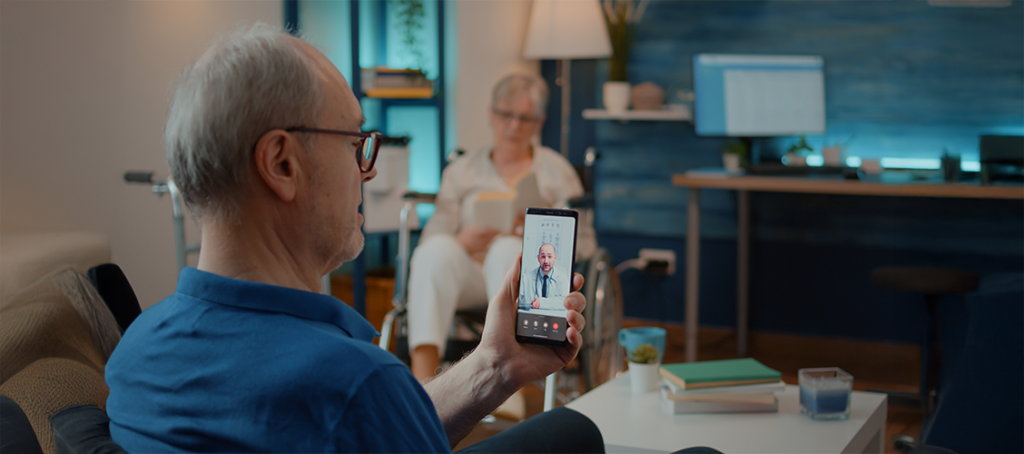
In today’s fast-evolving healthcare landscape, technology is redefining how patients receive care and how providers deliver it. One of the most impactful advancements is remote patient monitoring (RPM), especially in the field of cardiology. With heart diseases remaining one of the leading health concerns worldwide, the need for continuous, real-time monitoring has never been greater. Cardiac remote patient monitoring software enables healthcare professionals to track patients’ heart health beyond hospital walls. By integrating digital tools, wearable devices, and smart analytics, these systems ensure timely interventions and better health outcomes. As patients increasingly rely on the best health app solutions and healthcare providers adopt digital transformation, RPM is becoming a crucial component of every modern healthcare management system and patient management system. Understanding Cardiac Remote Monitoring Solutions Cardiac remote patient monitoring software is a digital solution designed to track, record, and analyze heart-related health data in real time. It allows patients to share vital health metrics such as heart rate, blood pressure, ECG readings, and oxygen levels directly with healthcare providers using connected devices. Unlike traditional healthcare models that rely on periodic hospital visits, RPM ensures continuous monitoring. This is particularly beneficial for patients with chronic heart conditions, post-surgery recovery, or those at high risk of cardiac events. These solutions are often integrated into a broader patient management system, enabling doctors to access patient history, track progress, and make informed decisions without requiring physical consultations. With the rise of mobile health platforms, many RPM tools are also available through the best health app interfaces, making them user-friendly and accessible. How Roojh Patient Management Software Supports Cardiac Monitoring Remote cardiac monitoring becomes truly effective when supported by a smart and reliable digital platform. This is where Roojh patient management software plays a vital role. By combining ease of use with powerful features, Roojh helps bridge the gap between patients and healthcare providers, making cardiac care more connected, efficient, and proactive. Before understanding its role in detail, it’s important to note that Roojh is designed to simplify health data management while enhancing accessibility through a user-friendly interface, making it comparable to the best health app solutions available today. How Roojh Enhances Each Step of Cardiac Monitoring: Who Benefits from Cardiac Remote Monitoring Technology? Cardiac RPM software is not limited to one group, it serves multiple stakeholders across the healthcare ecosystem. Understanding who uses these systems highlights their growing importance. Key Users Include: This wide range of users demonstrates how RPM is transforming healthcare delivery into a more connected and patient-centric model. Advantages of Cardiac RPM for Healthcare Professionals The adoption of cardiac remote patient monitoring software offers significant benefits for healthcare providers. These systems not only improve patient care but also enhance operational efficiency. Before exploring the benefits, it’s essential to note that RPM aligns with the growing demand for data-driven healthcare and proactive treatment approaches. Key Benefits: These advantages make RPM a valuable addition to any modern healthcare management system, supporting both clinical and administrative functions. The Future of Cardiac Remote Monitoring Technology The future of cardiac remote patient monitoring technology is rapidly evolving, driven by advancements in digital innovation and the growing demand for smarter healthcare solutions. With the integration of artificial intelligence, RPM systems will be able to analyze large volumes of patient data to deliver predictive insights and detect potential cardiac risks at an early stage. Advanced wearable devices will further enhance real-time monitoring by offering more accurate and comprehensive heart health metrics. These innovations, when connected with a robust healthcare management system, will enable seamless data flow and better coordination between patients and healthcare providers. As a result, cardiac care will become more proactive, efficient, and data-driven, improving overall patient outcomes. At the same time, the integration of telemedicine and mobile-based solutions will make cardiac monitoring more accessible and convenient. Patients will be able to connect with doctors remotely, share reports instantly, and receive timely guidance through the best health app platforms. Personalized healthcare plans, powered by continuous data collection, will ensure treatments are tailored to individual needs. Additionally, stronger security frameworks will protect sensitive health data within every patient management system, ensuring privacy and compliance. With these advancements, cardiac remote monitoring will not only enhance patient engagement but also transform how healthcare is delivered, making it more connected, secure, and accessible for everyone. Read more: Patient-First Healthcare Apps: What Really Matters Conclusion Cardiac remote patient monitoring software is transforming the way heart care is delivered. By enabling continuous monitoring, real-time data sharing, and proactive interventions, it bridges the gap between patients and healthcare providers. As healthcare systems shift toward digital solutions, RPM is becoming a core component of every effective healthcare management system and patient management system. It empowers patients, enhances clinical outcomes, and optimizes healthcare operations. With ongoing advancements in technology, the future of cardiac care lies in connected, data-driven solutions that prioritize accessibility and efficiency. Embracing remote patient monitoring is not just an option, it is a necessity for delivering high-quality, modern healthcare without boundaries.
From Prescriptions to Reports: Organize Everything with Roojh Medical Record App

Managing health records for an entire family can be overwhelming. Prescriptions, diagnostic reports, doctor consultations, vaccination records, and insurance documents often end up scattered across multiple folders, emails, or hospital files. When a medical emergency occurs or a doctor asks for past reports, finding the right information quickly becomes a stressful task. In today’s digital world, relying solely on physical files is no longer practical. Families are increasingly shifting toward digital tools that help them store, manage, and access medical information conveniently. This is where a reliable healthcare management system in the form of a mobile application becomes extremely useful. Apps designed for medical record organization allow families to keep everything in one secure place. With the right patient management system, users can easily track prescriptions, store medical reports, schedule doctor visits, and maintain a complete health history. Roojh is designed to simplify this process by providing a smart and structured way to manage family health records. Let’s explore why digital medical record apps are becoming essential for modern families and how Roojh helps organize everything from prescriptions to reports efficiently. Why Do Modern Families Need a Digital Medical Record App? Healthcare management involves more than just visiting a doctor when someone falls sick. Families today must manage multiple medical details such as past treatments, lab results, medication schedules, and health history for each member. Without proper organization, important information can easily get lost or forgotten. A digital medical record app solves this challenge by providing a centralized and secure platform where all health-related information can be stored and accessed instantly. Instead of searching through physical files or hospital folders, families can keep every medical document organized in one place. Some of the major reasons families benefit from using a digital health record system include: 1. Easy Access to Medical History: During doctor visits, healthcare professionals often need details about previous illnesses, ongoing medications, allergies, or past diagnostic reports. When this information is readily available in a digital format, patients can share accurate medical history quickly. This helps doctors understand the patient’s condition better and make informed treatment decisions. A well-organized patient management system ensures that important records are always accessible whenever they are needed. 2. Better Health Monitoring: Regular tracking of medical data allows families to stay aware of their health conditions over time. Information such as blood test reports, prescriptions, or past diagnoses can help identify patterns and changes in health. This makes it easier for doctors to analyze long-term conditions and recommend appropriate treatments. A digital healthcare management system helps maintain a structured record of health information for continuous monitoring. 3. Reduced Risk of Losing Documents: Medical documents like prescriptions, lab reports, and discharge summaries are often stored in physical files that can easily get misplaced, damaged, or lost. When these documents are stored digitally, they remain safe and organized in a single location. Users can access them anytime without worrying about losing critical medical information. This makes digital storage one of the most reliable solutions for managing healthcare records. 4. Convenience During Emergencies: In emergency situations, having immediate access to important health information can be extremely helpful. Details such as blood group, past medical history, or current medications can assist doctors in providing faster and more accurate treatment. With a digital health app, families can retrieve these records instantly through their mobile devices. This quick access can play an important role in improving medical response during urgent situations. A well-designed patient management system helps families stay prepared for such situations by keeping critical medical data organized, secure, and easily accessible whenever needed. A Smarter Way to Manage Family Health Records Digital healthcare tools are transforming the way families manage medical information. Instead of maintaining multiple files and folders, a single app can help streamline the entire health record system. A reliable healthcare management system enables users to: By simplifying record management, these apps allow families to focus more on health and less on paperwork. This is where platforms like Roojh play an important role in modern healthcare organization. Essential Features to Look for in a Family Health Management App Before choosing a medical record app, it is important to understand what features make it useful and practical for daily healthcare needs. A reliable app should not only store medical information but also help families manage health records in a structured and convenient way. Key features to consider include: 1. Secure Digital Storage: The app should provide a safe space to upload and store prescriptions, lab reports, and other medical documents. Secure digital storage ensures that sensitive health information remains protected and accessible whenever required. 2. Multiple Family Member Profiles: A good health management app should allow users to create separate profiles for each family member. This helps maintain individual medical histories while managing everything from a single account. 3. Easy Document Upload: The app should make it simple to upload medical reports using a phone camera or file upload option. Quick document uploading saves time and helps keep records updated regularly. 4. Organized Health Timeline: Medical records should be arranged in a clear chronological order so users can easily track consultations, prescriptions, and diagnostic reports. This structure helps both patients and doctors review medical history efficiently. 5. Quick Search and Access: Users should be able to find specific reports or prescriptions instantly without searching through multiple files. A quick search feature improves convenience and ensures that important records are always easy to locate. These features help transform a basic application into a structured patient management system that supports better organization and accessibility of family healthcare records. Why These Features Improve Health Management? While digital storage is helpful, the real value of a medical management app lies in how efficiently it organizes health information. The features mentioned above help simplify healthcare management in several ways.These advantages highlight why many families now prefer using the best health app available for managing their medical records. Why Roojh Stands Out for Family Health Management? Roojh is designed to simplify
From Stress to Support: How the Roojh App Transforms Elderly Care

Caring for elderly parents can feel overwhelming. Between medical appointments, medication schedules, emergency concerns, and daily well-being tracking, families often struggle to balance caregiving with their own responsibilities. In today’s digital era, the right technology can reduce this stress significantly. Below are 15 important and practical questions families commonly ask about elderly care, answered in detail to help you understand how the Roojh App transforms caregiving from chaos to confidence. Q1. Why is elderly caregiving so stressful for families today? A. Elderly caregiving is demanding because it involves constant coordination. Adult children often manage their careers, families, and personal commitments while ensuring their aging parents receive proper medical care and emotional support. The stress increases when there is no centralized system to track doctor visits, prescriptions, reports, and daily health updates. Missed medications, forgotten follow-ups, and poor communication between family members can lead to health complications. Without structured tools, caregiving becomes reactive instead of proactive. That’s where a digital solution like Roojh steps in, offering organized, real-time support to reduce mental and emotional burden. Q2. What is the Roojh App and how does it support elderly care? A. The Roojh App is a smart digital solution designed to simplify health tracking, communication, and care coordination for elderly individuals and their families. It functions as a centralized health companion where medical data, appointments, prescriptions, and reminders are managed in one place. Unlike scattered paper records or multiple messaging threads, Roojh brings structure and clarity. It bridges the gap between patients, caregivers, and healthcare providers through streamlined digital access. For families searching for the best health app for elderly care management, Roojh provides a balanced mix of simplicity, accessibility, and reliability. Q3. How does Roojh reduce caregiver stress? A. Caregiver stress often stems from uncertainty and lack of control. Roojh reduces this by providing: Instead of constantly worrying about “Did mom take her medicine?” or “When is the next check-up?”, caregivers can rely on automated reminders and organized records. By turning caregiving into a structured process, Roojh transforms emotional pressure into manageable daily tasks. Q4. How does the Roojh App function as a healthcare management system? A. A healthcare management system is designed to organize medical data, streamline coordination, and improve decision-making. Roojh performs these essential functions digitally for families. It stores health records securely, tracks ongoing treatments, manages test reports, and helps monitor chronic conditions. Instead of juggling multiple hospital files and prescriptions, everything becomes accessible in one digital dashboard. This organized approach ensures better continuity of care and fewer medical errors, especially critical for elderly patients managing multiple conditions. Q5. Can Roojh help manage chronic diseases in elderly parents? Yes, and this is one of its most powerful benefits. Many elderly individuals live with chronic conditions such as diabetes, hypertension, heart disease, or arthritis. These conditions require consistent monitoring and adherence to treatment plans. Roojh helps by: By offering consistent tracking and reminders, it supports long-term disease management and reduces the risk of complications due to missed care. Q6. How does Roojh improve communication between family members? A. In many families, caregiving responsibilities are shared among siblings or relatives. Miscommunication often leads to confusion and duplication of efforts. Roojh creates a single shared space where authorized caregivers can view updates, track appointments, and stay informed. Instead of endless phone calls and message threads, everyone accesses the same information. This transparency ensures coordinated caregiving and eliminates unnecessary stress. Q7. Is Roojh useful for elderly patients who are not tech-savvy? A. Absolutely. One of the biggest barriers in digital healthcare is usability. Roojh is designed with simplicity in mind. The interface is clean, intuitive, and easy to navigate. Even if elderly parents are not comfortable using smartphones independently, caregivers can manage the app on their behalf. Over time, many seniors adapt to digital tools when the design is user-friendly and straightforward. A best health app must be accessible and Roojh prioritizes simplicity without compromising functionality. Q8. How does Roojh support emergency preparedness? A. Emergencies are unpredictable, especially in elderly care. Quick access to medical history can make a significant difference in critical situations. With Roojh, essential information such as: is readily available in one place. This eliminates delays caused by searching for physical files or contacting multiple family members for information. Preparedness reduces panic and ensures faster medical response. Q9. Can Roojh act as a patient management system for home care? A. Yes, Roojh effectively works as a patient management system for families managing care at home. It helps organize medical records, monitor health updates, and track appointments systematically. While traditional patient management systems are often used in hospitals, Roojh brings similar organizational efficiency into the home environment. This empowers families to manage elderly care with professional-level structure. It transforms informal caregiving into well-managed care. Q10. How does digital health tracking improve overall well-being? A. Digital tracking promotes accountability and consistency. When medications, check-ups, and lifestyle routines are monitored, the chances of non-compliance decrease. For elderly parents, small lapses, like missing medication for a few days can lead to serious complications. A structured digital system ensures these gaps are minimized. Consistent tracking also allows caregivers to observe patterns in health changes, enabling earlier interventions. Q11. How secure is elderly health data on Roojh? A. Data security is a critical concern in digital healthcare. Roojh prioritizes secure storage and controlled access to sensitive health information. Only authorized users can access patient records. Digital systems often provide better protection than physical files, which can be lost, misplaced, or accessed without permission. Trust in data privacy is essential for any healthcare management system, and Roojh ensures confidentiality remains intact. Q12. How does Roojh promote proactive rather than reactive care? A. Traditional caregiving often becomes reactive, action is taken only after symptoms worsen. Roojh shifts the approach to proactive care by: When information is easily accessible, families are more likely to schedule preventive screenings and follow-ups. Proactive care improves quality of life and reduces emergency hospital visits. Q13. Can Roojh help working professionals balance caregiving
How Mobile Health Platforms Are Driving Lifestyle Awareness and Early Intervention

In today’s fast-paced world, health is no longer managed only inside hospitals or clinics. With the rapid growth of digital technology, mobile health platforms have become powerful tools that help individuals take control of their well-being anytime and anywhere. From tracking daily steps to monitoring chronic conditions, these platforms are transforming how people understand and manage their health. Lifestyle diseases such as diabetes, hypertension, and obesity are rising globally, largely due to sedentary habits, stress, and poor dietary choices. Early intervention has become essential to prevent minor health concerns from turning into serious medical conditions. This is where mobile health platforms play a crucial role. They bridge the gap between patients and healthcare providers, offering real-time insights, reminders, and personalized guidance. By combining smart tracking features with data analytics, mobile health solutions promote awareness, accountability, and proactive care. Instead of reacting to illness, users are encouraged to prevent it. The integration of these platforms with a healthcare management system further enhances coordination between patients, doctors, and caregivers. As technology continues to evolve, the role of the best health app goes far beyond simple fitness tracking—it becomes a digital partner in long-term wellness and preventive healthcare. The Role of Mobile Health Platforms in Promoting Lifestyle Awareness Mobile health platforms play a vital role in strengthening lifestyle awareness by transforming complex health data into simple, actionable insights. They encourage individuals to monitor daily habits, understand personal health patterns, and make informed decisions. By combining smart tracking, personalized recommendations, and timely reminders, these platforms shift healthcare from reactive treatment to preventive action. Users gain better control over their routines, medication schedules, and wellness goals. Integration with wearable devices and digital records further enhances accuracy and convenience. Through data-driven alerts and continuous engagement, mobile health platforms actively support healthier living and long-term preventive care. 1. Real-Time Health Monitoring: Modern mobile health platforms enable users to continuously monitor vital health parameters such as heart rate, blood pressure, glucose levels, sleep quality, and daily activity. This real-time tracking creates immediate awareness about how everyday behaviors influence overall well-being. When users observe fluctuations in their health data, they become more mindful of their diet, exercise, and stress levels. Consistent monitoring helps detect irregular patterns before they become serious health concerns. It also allows individuals to compare progress over time and stay motivated. The ability to access this data anytime strengthens accountability and promotes informed decision-making. As a result, users actively participate in managing their own preventive care. 2. Personalized Health Insights: Unlike conventional healthcare approaches that offer general advice, mobile platforms analyze individual data to generate customized health recommendations. These insights are based on personal factors such as age, lifestyle habits, medical history, and fitness goals. Personalized suggestions make preventive care more practical and relevant to each user. For example, a person with high blood pressure may receive dietary guidance different from someone focusing on weight management. This targeted approach increases the likelihood of sustainable lifestyle changes. Users feel more connected to their health journey when recommendations are tailored to their needs. Personalization transforms digital tools into meaningful health companions rather than generic trackers. 3. Habit Formation and Goal Tracking: Consistency is the foundation of a healthy lifestyle, and mobile platforms support this through structured goal-setting features. Users can define specific targets such as daily step counts, calorie limits, hydration goals, or sleep schedules. Regular reminders and notifications act as digital prompts that reinforce positive habits. Progress tracking dashboards visually display achievements, motivating users to stay committed. Small milestones create a sense of accomplishment and encourage long-term discipline. Over time, these repeated actions become ingrained habits rather than temporary efforts. By supporting routine building, mobile health platforms help individuals maintain preventive health practices effectively. 4. Health Education and Awareness: Mobile health platforms often include educational content such as articles, expert advice, symptom checkers, and preventive care tips. This information enhances health literacy and empowers users to understand their bodies better. When individuals are aware of risk factors and early warning signs, they are more likely to seek timely medical attention. Educational resources also clarify misconceptions and promote evidence-based decision-making. Increased awareness reduces fear and uncertainty regarding health conditions. It encourages individuals to adopt proactive behaviors instead of waiting for symptoms to worsen. Knowledge becomes a powerful tool in preventing lifestyle-related diseases. 5. Integration with Wearable Devices: Many mobile health platforms seamlessly connect with wearable devices like fitness trackers and smartwatches. These devices automatically collect continuous data on movement, heart rate, sleep patterns, and more. Automatic syncing eliminates the need for manual data entry, ensuring accuracy and convenience. Continuous monitoring provides a comprehensive picture of daily health trends. If unusual readings occur, users can review patterns and take corrective actions promptly. Integration enhances user engagement by making health tracking effortless. This combination of wearable technology and mobile platforms strengthens early detection and preventive care efforts. 6. Medication and Appointment Reminders: Adherence to medication schedules and regular health check-ups is essential for effective preventive care. Mobile platforms provide automated reminders that reduce the risk of missed doses or delayed consultations. Timely notifications help patients stay consistent with treatment plans prescribed by healthcare professionals. When integrated with a healthcare management system, reminders align with digital medical records for improved coordination. This ensures that both patients and providers remain informed about ongoing care. Consistent follow-ups prevent minor issues from escalating into serious complications. Reliable reminder systems support better health outcomes and continuity of care. 7. Data-Driven Preventive Alerts: Advanced analytics within mobile health platforms can identify patterns and detect potential health risks early. By analyzing historical and real-time data, the system can generate alerts for abnormal readings. For instance, consistently elevated blood pressure or irregular sleep cycles may prompt a recommendation for medical evaluation. These alerts encourage users to take preventive action before symptoms worsen. Early detection significantly reduces the likelihood of emergency situations. Data-driven insights transform raw information into meaningful guidance. This proactive approach strengthens lifestyle awareness and supports long-term wellness management. Early Intervention Through Digital Health Ecosystems Early
Why Are Health Apps Essential for Modern Patient Engagement?

Healthcare is no longer confined to hospital walls or limited to scheduled consultations. Today’s patients expect continuous access, faster communication, and greater transparency in their healthcare journey. The rise of digital tools has shifted the healthcare model from provider-centered to patient-centered, where individuals actively participate in decisions affecting their well-being. Health apps have emerged as powerful enablers of this transformation. By combining accessibility, real-time data, communication tools, and smart tracking features, these applications are redefining patient engagement. When integrated with a structured healthcare management system and a reliable patient management system, health apps create a connected ecosystem that benefits both providers and patients. Modern patient engagement is about empowerment, giving individuals the tools, information, and confidence to manage their health effectively. In this blog, we explore why health apps are essential for modern patient engagement and how they are reshaping the future of healthcare delivery. Transforming Healthcare Delivery Through Smart Patient Engagement Tools Healthcare today is rapidly shifting toward a more patient-centered approach. Patients are no longer passive recipients of treatment; they expect transparency, accessibility, and continuous communication throughout their healthcare journey. With increasing digital adoption, health apps have become powerful tools that strengthen patient engagement and improve care delivery. By integrating with a healthcare management system and a structured patient management system, health apps provide a seamless experience that connects patients, doctors, and administrative teams. They simplify processes, enhance communication, and enable real-time monitoring, making healthcare more efficient and proactive. Below is a detailed look at why health apps are essential for modern patient engagement and how they contribute to better outcomes. 1. Digital Access to Health Information Enhances Patient Awareness Health apps have transformed how patients access and understand their medical information. In traditional healthcare environments, records were often stored in physical files or across multiple departments, making them difficult and time-consuming to retrieve. Health apps eliminate these challenges by offering secure, real-time access to prescriptions, lab results, treatment histories, and consultation summaries. When connected to a healthcare management system, updates are synchronized instantly, ensuring that patients always view the most accurate and current information. This transparency strengthens trust and reduces confusion about diagnoses or treatment plans. Patients no longer need to rely solely on verbal explanations or paperwork. Instead, they can review their records anytime, improving clarity and confidence. Easy access to information encourages informed decision-making and active participation in healthcare discussions. Over time, this awareness promotes accountability and a deeper understanding of personal health conditions. 2. Simplified Appointment and Treatment Management Improves Consistency Health apps make managing appointments and treatment schedules far more convenient. Patients can book, reschedule, or cancel appointments directly through the app without long waiting times or administrative delays. Automated reminders ensure that important consultations and follow-ups are not missed, which is essential for consistent care. A well-integrated patient management system coordinates doctor availability, patient records, and appointment slots seamlessly, reducing scheduling conflicts. This organized system improves efficiency within healthcare facilities while enhancing the patient experience. Beyond appointments, health apps support medication tracking and dosage reminders, helping patients adhere to prescribed treatment plans. This is especially valuable for individuals managing chronic conditions or complex medication routines. By simplifying daily healthcare tasks, health apps reduce stress and confusion. Patients are more likely to stay committed to their recovery journey when processes are streamlined and accessible. 3. Strengthened Communication Encourages Trust and Engagement Effective communication plays a central role in modern patient engagement. Health apps provide secure messaging features that allow patients to ask questions, share updates, and clarify doubts without visiting the hospital. This convenience reduces unnecessary travel and waiting times while maintaining continuous care. Virtual consultations further improve accessibility, particularly for patients in remote areas or those requiring routine check-ins. When integrated with a healthcare management system, healthcare providers can review patient histories during consultations, ensuring informed and personalized advice. Timely communication prevents misunderstandings and builds confidence in treatment plans. Patients feel reassured knowing they can reach their healthcare provider when needed. Open and consistent interaction strengthens the provider-patient relationship. As trust grows, engagement naturally improves, leading to better adherence and overall satisfaction. 4. Real-Time Monitoring Promotes Preventive and Proactive Care Health apps increasingly support integration with wearable devices and smart sensors, enabling real-time monitoring of vital signs such as heart rate, blood pressure, glucose levels, and activity patterns. Continuous tracking provides valuable insights into daily health trends. If irregular readings are detected, alerts can be generated promptly, allowing early intervention. This proactive approach shifts healthcare from reactive treatment to preventive care. Through a connected patient management system, providers can analyze long-term patterns rather than isolated data points. This supports more accurate diagnoses and timely adjustments to treatment plans. Patients also gain greater awareness of how lifestyle habits affect their health. Personalized insights related to diet, exercise, and wellness further motivate positive behavioral changes. Proactive monitoring not only improves outcomes but also reduces emergency visits and complications. 5. Integrated Digital Systems Improve Outcomes and Patient Experience Health apps deliver the greatest impact when supported by a comprehensive healthcare management system. Such integration centralizes patient records, billing processes, communication channels, and analytics within one organized framework. This reduces duplication of tests, administrative errors, and miscommunication between departments. Healthcare professionals can dedicate more time to patient care rather than paperwork. For patients with chronic conditions, consistent data tracking and shared access enable timely treatment adjustments. Preventive features such as screening reminders and health assessments encourage early detection of potential risks. Streamlined digital processes—from appointment booking to accessing discharge summaries—create a smooth and transparent healthcare journey. A well-coordinated system enhances efficiency while improving patient confidence. Ultimately, integrated digital ecosystems lead to better clinical outcomes and higher patient satisfaction. The Growing Importance of Digital Patient Engagement Healthcare systems worldwide are moving toward digital transformation. Regulatory requirements, patient expectations, and technological advancements are accelerating this shift. Health apps are no longer optional add-ons, they are strategic tools that support modern healthcare delivery. By combining accessibility, communication, monitoring, and analytics, these apps empower individuals to take charge of
Patient-First Healthcare Apps: What Really Matters

Healthcare is undergoing a powerful digital transformation. From booking appointments to accessing lab reports and consulting doctors remotely, patients today rely heavily on mobile technology to manage their well-being. However, simply launching a healthcare application is no longer enough. Patients are more informed, more selective, and more digitally experienced than ever before. They compare healthcare apps to the seamless experiences offered by banking, e-commerce, and social media platforms. This shift raises an important question: what truly defines a patient-first healthcare app? A patient-first approach focuses on usability, transparency, accessibility, personalization, and trust. Instead of designing systems around hospitals or administrators alone, developers must prioritize real patient needs, behaviors, and challenges. Whether it is a chronic disease management platform or a comprehensive patient management system, the goal remains the same: empower individuals to take control of their health with clarity and confidence. In this blog, we explore what patients genuinely expect from modern healthcare applications and how organizations can build solutions that deliver meaningful impact. Understanding the Patient Mindset in the Digital Age Before designing features, it is important to understand how patients think when using digital healthcare tools. Healthcare apps are often used during vulnerable moments — illness, emergencies, or ongoing treatments. That means the experience must feel reassuring and easy. What Patients Want? What Patients Do Not Want? A patient-first approach ensures the app reduces anxiety instead of creating confusion. Key Features of a Modern Patient Management System Healthcare is no longer limited to hospital visits and paper records. Today’s patients expect digital solutions that make managing their health simple, transparent, and efficient. However, building the best health app is not just about adding advanced technology, it is about designing a system that truly understands patient needs. A modern patient management system must go beyond basic appointment booking and record storage. It should offer intuitive navigation, seamless scheduling, instant access to medical records, strong data security, and personalized health support. Patients want convenience without complexity, communication without delays, and access without confusion. They expect secure platforms that protect their sensitive information while providing real-time monitoring, medication reminders, transparent billing, and reliable educational resources. At the same time, inclusivity, accessibility, and system interoperability are becoming essential components of digital healthcare. Innovation such as AI and wearable integration must enhance the experience without overwhelming users. In short, a successful healthcare app is built on simplicity, trust, personalization, connectivity, and continuous improvement. In this blog, we explore the key features that define a truly patient-first application and how a well-designed patient management system can transform the healthcare experience for both patients and providers. 1. Intuitive and Simple User Experience: A patient-first healthcare app begins with simplicity. Ease of use is the foundation of the best health app because patients come from diverse age groups and varying levels of digital literacy. The interface must feel natural from the first interaction, with clear menus, visible features, and minimal steps to complete tasks. Large readable fonts, accessible color contrasts, and inclusive design for visually impaired users make the platform usable for everyone. Medical jargon should be replaced with simple, patient-friendly language that reassures rather than confuses. If users struggle to book appointments or locate lab results, frustration quickly builds. A clean and intuitive experience reduces anxiety and builds confidence. Ultimately, simplicity encourages long-term engagement and trust. 2. Seamless Appointment Scheduling and Management: Convenient appointment management is one of the primary reasons patients use healthcare apps. They expect to view real-time doctor availability, book appointments instantly, and receive timely reminders without making phone calls. The ability to reschedule or cancel appointments easily adds flexibility, especially for working professionals or elderly patients who depend on caregivers. Access to teleconsultation links directly within the app further simplifies virtual care. When scheduling is integrated into a strong patient management system, notifications, reminders, and medical records remain synchronized. This reduces administrative confusion and ensures patients stay informed. A smooth scheduling experience saves time and reduces stress. Convenience in this area significantly improves patient satisfaction and app retention. 3. Easy Access to Medical Records and Health Data: Modern patients expect instant digital access to their health information. Gone are the days when individuals had to carry physical files or revisit hospitals just to collect reports. A patient-first healthcare app should provide centralized access to lab reports, prescriptions, diagnosis summaries, imaging results, and vaccination history. However, access alone is not enough, the information must be presented in a clear and understandable format. Instead of overwhelming users with technical data, the best health app simplifies medical terms and offers brief explanations where necessary. This transparency empowers patients to make informed decisions. Easy access to health records promotes proactive care. It also strengthens trust between patients and healthcare providers. 4. Secure and Private by Design: Security is not an optional feature in healthcare applications; it is a necessity. Patients share highly sensitive information, including medical history, prescriptions, and financial data. A patient-first app must prioritize secure login authentication, multi-factor verification, encrypted storage, and compliance with healthcare data regulations. Transparent privacy policies reassure users about how their information is collected, stored, and used. Even minor security concerns can discourage patients from using digital platforms. When privacy protections are clearly communicated and consistently maintained, trust increases significantly. A secure patient management system protects both patients and providers from data risks. Strong security measures form the backbone of long-term user loyalty. 5. Personalized Health Experience: Personalization transforms a healthcare app from a generic tool into a meaningful support system. Today’s users expect digital platforms to adapt to their needs, preferences, and health conditions. A personalized experience may include customized dashboards, condition-specific reminders, medication alerts, and tailored health recommendations. For example, someone managing diabetes may need glucose tracking, while a cardiac patient may focus on blood pressure monitoring. The best health app uses patient data responsibly to deliver relevant insights without overwhelming users. Personalized progress tracking also motivates patients to stay consistent with their care plans. When healthcare apps recognize individual needs, patients feel understood and supported.
Smarter Elder Care Starts Here: How Roojh Is Revolutionizing Senior Health Management

Caring for elderly family members is both a responsibility and a deeply emotional commitment. As life expectancy increases and chronic conditions become more common, managing senior health has grown more complex than ever before. From regular doctor visits and medication schedules to diagnostic reports and emergency preparedness, elder care requires careful coordination. Unfortunately, traditional methods paper files, scattered prescriptions, and manual reminders often lead to confusion, delays, and avoidable risks. This is where technology steps in to transform how we approach senior health management. A modern patient management system does more than just store information; it centralizes, organizes, and simplifies the entire healthcare journey. Roojh, designed as the best health app for families and caregivers, brings structure and clarity to elder care. By improving communication, enhancing accessibility, and strengthening continuity of patient care, Roojh ensures that seniors receive timely and efficient support. In this blog, we will explore the challenges of elder care, the growing importance of digital solutions, and how Roojh is redefining senior health management for families and caregivers alike. The Growing Complexity of Elder Care in Modern Times Elder care today goes far beyond occasional hospital visits or routine check-ups. It requires continuous health tracking, organized documentation, emotional reassurance, and timely medical intervention. As seniors live longer and face multiple health conditions, families must manage increasing layers of responsibility. Without a structured and reliable system, maintaining consistent and effective patient care becomes challenging. 1. Multiple Chronic Conditions: Many seniors live with two or more chronic illnesses such as diabetes, hypertension, arthritis, or heart disease. Managing these conditions demands consistent monitoring of blood sugar levels, blood pressure, and other vital parameters. It also involves following strict medication schedules and attending regular follow-up consultations. Periodic diagnostic tests are essential to assess progress and prevent complications. Without a well-organized approach, important health details may be missed, affecting overall patient care. 2. Medication Management Challenges: Elderly individuals are often prescribed multiple medications with specific dosages and timings. Keeping track of these schedules manually can become confusing, especially when caregivers juggle work and family responsibilities. Missing a dose or taking the wrong medication can lead to serious health consequences. Inconsistent medication adherence may also delay recovery or worsen chronic conditions. A structured system becomes essential to ensure accuracy and consistency. 3. Fragmented Medical Records: Medical records are frequently scattered across different hospitals, clinics, and physical files at home. In urgent situations, locating previous prescriptions, lab reports, or diagnostic history can consume valuable time. This fragmentation disrupts continuity and may lead to incomplete medical assessments. Healthcare providers rely on accurate historical data to make informed decisions. A centralized patient management system helps prevent delays and strengthens patient care. 4. Caregiver Stress and Burnout: Family caregivers often carry significant emotional and physical responsibilities. Balancing professional commitments with constant health monitoring can lead to fatigue and stress. The absence of organized health tracking increases the risk of errors and forgotten appointments. Over time, this pressure may impact both the caregiver’s well-being and the quality of support provided to seniors. Structured digital solutions help reduce this burden and improve overall care management. Understanding the Role of a Patient Management System in Elder Care A patient management system serves as the foundation of structured and organized healthcare, especially for seniors who require continuous monitoring and coordinated support. It centralizes health information, including prescriptions, lab reports, diagnostic scans, and consultation notes, in one secure digital space. This eliminates the need for bulky physical files and reduces the risk of misplaced documents. With features like appointment scheduling and tracking, families can easily manage regular check-ups and follow-ups without confusion. By streamlining these processes, the system strengthens consistency and reliability in ongoing patient care. Beyond organization, health management plays a critical role in medication management and emergency preparedness. Timely reminders ensure seniors follow prescribed treatment plans accurately, supporting stability and recovery. In urgent situations, quick access to complete medical history allows healthcare professionals to make informed decisions without delay. This immediate availability of accurate data enhances response time and reduces medical errors. By integrating these essential functions into one platform, a patient management system significantly improves the continuity, safety, and overall quality of patient care. How Roojh Is Revolutionizing Senior Health Management Roojh goes beyond basic digital record-keeping to offer a complete and structured approach to elder care. It is thoughtfully designed to simplify healthcare management for seniors while reducing the burden on caregivers. By integrating organization, reminders, communication, and security into one platform, Roojh strengthens overall patient care. As a smart and reliable patient management system, it ensures that every aspect of senior health is monitored, managed, and accessible when needed. 1. Comprehensive Health Record Management: Roojh enables families to securely store and organize all medical records in one centralized platform. From doctor prescriptions and lab reports to imaging results and complete medical history, everything is accessible within seconds. This eliminates the stress of searching through paper files or contacting multiple clinics for past records. Having structured and updated information supports better diagnosis and informed decision-making. As a digital patient management system, it enhances accuracy and continuity in patient care. 2. Smart Medication Reminders: Medication adherence is one of the most critical aspects of elder care, especially for seniors managing chronic illnesses. Roojh provides timely alerts and reminders to ensure that no dose is missed or delayed. These automated notifications reduce dependency on manual tracking and lower the risk of medication errors. Consistent adherence improves treatment effectiveness and stabilizes health conditions. This feature significantly strengthens day-to-day patient care management. 3. Seamless Appointment Coordination: Managing multiple doctor visits, follow-ups, and diagnostic tests can easily become overwhelming for families. Roojh simplifies appointment scheduling by keeping track of past consultations and upcoming visits in one place. Caregivers receive reminders, helping them prepare necessary documents and medical updates beforehand. This organized approach prevents missed appointments and ensures timely medical attention. By streamlining scheduling, Roojh improves efficiency within the overall patient management system. 4. Enhanced Communication: Effective patient care depends heavily on clear