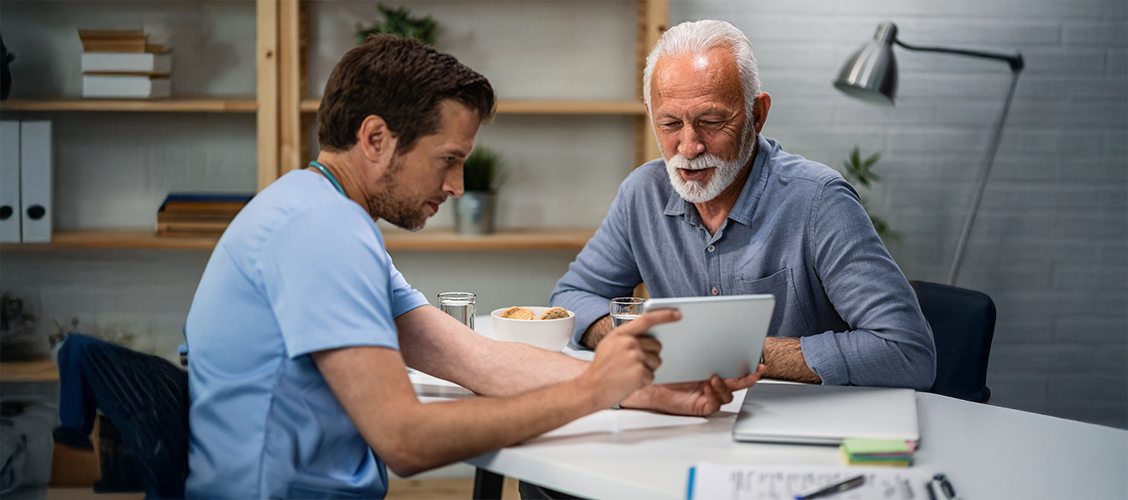

The landscape of senior living is undergoing a significant transformation. With a growing aging population and increasing demand for personalized support, traditional caregiving methods are no longer enough to meet modern expectations. Today, technology is stepping in to bridge the gap, offering smarter, more efficient, and highly responsive care solutions.
Next-generation care solutions are not just about convenience; they are about improving quality of life, ensuring safety, and empowering both caregivers and families. From real-time health monitoring to seamless communication tools, digital platforms such as a patient management system and health tracking app are reshaping how elderly care is delivered. These innovations are enabling caregivers to provide better patient care, while also giving families peace of mind.
The Growing Importance of Digital Solutions in Elderly Care
As caregiving becomes more complex, the need for structured and efficient systems is more critical than ever. Elderly individuals often require continuous monitoring, medication management, and coordinated care across multiple providers. This is where elderly care software plays a vital role.
Before diving into its benefits, it’s important to understand how these solutions fit into the caregiving ecosystem.
Key Contributions of Elderly Care Software:
- Centralized Information Management: A patient management system allows caregivers to store and access medical records, prescriptions, and health history in one place, reducing errors and improving efficiency.
- Personalized Care Plans: Digital tools help create tailored care routines based on an individual’s medical condition, lifestyle, and preferences.
- Remote Monitoring Capabilities: Through a health tracking app, caregivers can monitor vital signs, daily activities, and overall wellness even from a distance.
- Reduced Administrative Burden: Automation of routine tasks such as scheduling, reminders, and documentation frees up time for more meaningful patient interaction.
By integrating these features, elderly care software enhances both operational efficiency and the overall caregiving experience.
Streamlining Caregiver Workflows with Smart Technology
Caregiving involves a wide range of responsibilities that require precision, coordination, and timely execution. From managing medications to monitoring health updates, caregivers often juggle multiple tasks simultaneously. Without the right systems in place, this can lead to inefficiencies and errors. Smart technology helps streamline these workflows by introducing automation, improving organization, and enabling caregivers to focus more on quality patient care.
Ways Technology Improves Caregiver Workflow:
- Automated Scheduling and Smart Reminders: Digital tools allow caregivers to schedule medications, appointments, and daily routines with automated reminders, reducing the risk of missed tasks.
- Real-Time Health Updates: Integration with a health tracking app ensures caregivers receive instant updates on a patient’s condition, enabling quick and informed decisions.
- Efficient Task Management: Dashboards within a patient management system help prioritize tasks based on urgency, ensuring critical activities are handled first.
- Faster and Accurate Documentation: Digital record-keeping minimizes paperwork, improves accuracy, and ensures all patient data is easily accessible when needed.
- Seamless Coordination Among Care Teams: Technology enables better collaboration between multiple caregivers, ensuring continuity and consistency in care delivery.
- Reduced Administrative Burden: Automation of routine processes allows caregivers to spend more time providing compassionate care rather than handling manual tasks.
Enhancing Communication and Collaboration in Senior Care
Effective communication is essential for delivering consistent and high-quality elderly care. With multiple stakeholders involved, digital tools help streamline interactions, reduce gaps, and ensure everyone stays aligned.
Key Points:
- Centralized access to health records through a patient management system
- Real-time communication via instant messaging and alerts
- Seamless coordination between caregivers, doctors, and families
- Easy sharing of updates and medical reports
- Improved family engagement through regular notifications
- Collaborative care planning across multiple caregivers
- Faster decision-making with instant information access
- Reduced miscommunication and errors in patient care
- Remote monitoring and updates through a health tracking app
- Integration with the best health app for unified communication
- Transparent and consistent flow of information among all stakeholders
Ensuring Safety and Security in Elderly Care Environments
Ensuring safety is a critical aspect of elderly care, as seniors are more susceptible to health risks, accidents, and emergencies. With the help of modern technology, caregiving environments are becoming more secure, proactive, and responsive. Digital tools not only help prevent risks but also enable quick action when needed, ultimately improving overall patient care.
- Emergency Alert Systems: Wearable devices and integrated apps allow seniors to send instant alerts during emergencies, ensuring immediate assistance and reducing response time.
- Fall Detection and Monitoring: Advanced sensors and smart devices can automatically detect falls and notify caregivers, helping prevent serious complications through timely intervention.
- Secure Data Management: A reliable patient management system ensures that sensitive medical data is securely stored, protecting patient privacy while allowing authorized access when required.
- Access Control and Surveillance: Digital access systems help monitor entry and exit points in care facilities, enhancing physical security and preventing unauthorized access.
- Real-Time Health Monitoring: A health tracking app continuously monitors vital signs and health patterns, enabling early detection of potential health risks.
- Automated Alerts and Notifications: Caregivers receive instant updates about unusual activities or health changes, allowing them to act quickly and maintain a safe environment.
These technology-driven safety measures create a more secure ecosystem where seniors can live with confidence, and caregivers can deliver efficient and responsive care.
Practical Strategies for Improving Elderly Care Management
To fully leverage next-generation care solutions, adopting the right strategies is essential for improving elderly care management. Simply implementing technology is not enough; it must be thoughtfully integrated into everyday caregiving practices to deliver meaningful results. A reliable patient management system plays a crucial role by offering scalability, ease of use, and comprehensive features that support efficient operations. At the same time, encouraging technology adoption among caregivers is equally important. Providing proper training ensures that caregivers are confident in using digital tools, which leads to better coordination and improved patient care outcomes. When caregivers are equipped with the right knowledge and systems, they can deliver more consistent, accurate, and responsive care.
In addition, integrating multiple tools such as a health tracking app with other digital platforms helps create a holistic approach to elderly care. This allows caregivers to access complete patient information and monitor health conditions in real time. Focusing on personalization is another key strategy, as data-driven insights enable customized care plans tailored to individual needs and preferences. Regularly reviewing and optimizing care processes further enhances efficiency by identifying gaps and improving workflows based on feedback and performance metrics. By combining these strategies with the best health app solutions, care providers can ensure that technology adds real value, leading to better management, improved safety, and enhanced quality of life for seniors.
Read more: From Stress to Support: How the Roojh App Transforms Elderly Care
Conclusion
The future of senior living is being shaped by innovation and technology. Next-generation care solutions are transforming the way caregivers support elderly individuals, making care more efficient, personalized, and secure.
By leveraging tools such as a patient management system, adopting the best health app, and utilizing a reliable health tracking app, caregivers can significantly enhance the quality of patient care. These technologies not only simplify caregiving processes but also empower seniors to lead healthier and more independent lives.
As the demand for elderly care continues to grow, embracing digital transformation is no longer optional, it is essential. The integration of smart care solutions will play a crucial role in building a future where senior living is defined by dignity, safety, and compassion.