
In today’s fast-paced world, health is no longer managed only inside hospitals or clinics. With the rapid growth of digital technology, mobile health platforms have become powerful tools that help individuals take control of their well-being anytime and anywhere. From tracking daily steps to monitoring chronic conditions, these platforms are transforming how people understand and manage their health.
Lifestyle diseases such as diabetes, hypertension, and obesity are rising globally, largely due to sedentary habits, stress, and poor dietary choices. Early intervention has become essential to prevent minor health concerns from turning into serious medical conditions. This is where mobile health platforms play a crucial role. They bridge the gap between patients and healthcare providers, offering real-time insights, reminders, and personalized guidance.
By combining smart tracking features with data analytics, mobile health solutions promote awareness, accountability, and proactive care. Instead of reacting to illness, users are encouraged to prevent it. The integration of these platforms with a healthcare management system further enhances coordination between patients, doctors, and caregivers. As technology continues to evolve, the role of the best health app goes far beyond simple fitness tracking—it becomes a digital partner in long-term wellness and preventive healthcare.
The Role of Mobile Health Platforms in Promoting Lifestyle Awareness
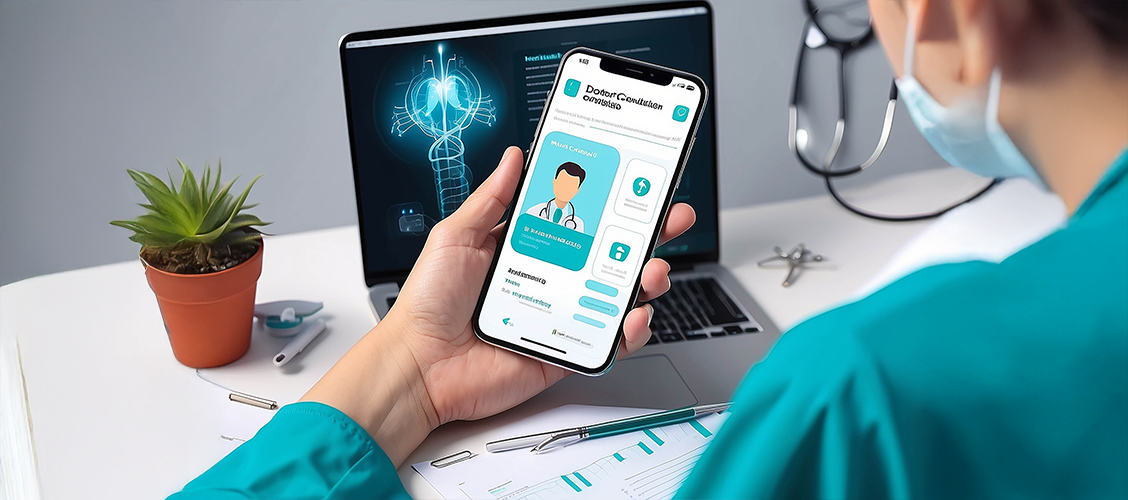
Mobile health platforms play a vital role in strengthening lifestyle awareness by transforming complex health data into simple, actionable insights. They encourage individuals to monitor daily habits, understand personal health patterns, and make informed decisions. By combining smart tracking, personalized recommendations, and timely reminders, these platforms shift healthcare from reactive treatment to preventive action. Users gain better control over their routines, medication schedules, and wellness goals. Integration with wearable devices and digital records further enhances accuracy and convenience. Through data-driven alerts and continuous engagement, mobile health platforms actively support healthier living and long-term preventive care.
1. Real-Time Health Monitoring: Modern mobile health platforms enable users to continuously monitor vital health parameters such as heart rate, blood pressure, glucose levels, sleep quality, and daily activity. This real-time tracking creates immediate awareness about how everyday behaviors influence overall well-being. When users observe fluctuations in their health data, they become more mindful of their diet, exercise, and stress levels. Consistent monitoring helps detect irregular patterns before they become serious health concerns. It also allows individuals to compare progress over time and stay motivated. The ability to access this data anytime strengthens accountability and promotes informed decision-making. As a result, users actively participate in managing their own preventive care.
2. Personalized Health Insights: Unlike conventional healthcare approaches that offer general advice, mobile platforms analyze individual data to generate customized health recommendations. These insights are based on personal factors such as age, lifestyle habits, medical history, and fitness goals. Personalized suggestions make preventive care more practical and relevant to each user. For example, a person with high blood pressure may receive dietary guidance different from someone focusing on weight management. This targeted approach increases the likelihood of sustainable lifestyle changes. Users feel more connected to their health journey when recommendations are tailored to their needs. Personalization transforms digital tools into meaningful health companions rather than generic trackers.
3. Habit Formation and Goal Tracking: Consistency is the foundation of a healthy lifestyle, and mobile platforms support this through structured goal-setting features. Users can define specific targets such as daily step counts, calorie limits, hydration goals, or sleep schedules. Regular reminders and notifications act as digital prompts that reinforce positive habits. Progress tracking dashboards visually display achievements, motivating users to stay committed. Small milestones create a sense of accomplishment and encourage long-term discipline. Over time, these repeated actions become ingrained habits rather than temporary efforts. By supporting routine building, mobile health platforms help individuals maintain preventive health practices effectively.
4. Health Education and Awareness: Mobile health platforms often include educational content such as articles, expert advice, symptom checkers, and preventive care tips. This information enhances health literacy and empowers users to understand their bodies better. When individuals are aware of risk factors and early warning signs, they are more likely to seek timely medical attention. Educational resources also clarify misconceptions and promote evidence-based decision-making. Increased awareness reduces fear and uncertainty regarding health conditions. It encourages individuals to adopt proactive behaviors instead of waiting for symptoms to worsen. Knowledge becomes a powerful tool in preventing lifestyle-related diseases.
5. Integration with Wearable Devices: Many mobile health platforms seamlessly connect with wearable devices like fitness trackers and smartwatches. These devices automatically collect continuous data on movement, heart rate, sleep patterns, and more. Automatic syncing eliminates the need for manual data entry, ensuring accuracy and convenience. Continuous monitoring provides a comprehensive picture of daily health trends. If unusual readings occur, users can review patterns and take corrective actions promptly. Integration enhances user engagement by making health tracking effortless. This combination of wearable technology and mobile platforms strengthens early detection and preventive care efforts.
6. Medication and Appointment Reminders: Adherence to medication schedules and regular health check-ups is essential for effective preventive care. Mobile platforms provide automated reminders that reduce the risk of missed doses or delayed consultations. Timely notifications help patients stay consistent with treatment plans prescribed by healthcare professionals. When integrated with a healthcare management system, reminders align with digital medical records for improved coordination. This ensures that both patients and providers remain informed about ongoing care. Consistent follow-ups prevent minor issues from escalating into serious complications. Reliable reminder systems support better health outcomes and continuity of care.
7. Data-Driven Preventive Alerts: Advanced analytics within mobile health platforms can identify patterns and detect potential health risks early. By analyzing historical and real-time data, the system can generate alerts for abnormal readings. For instance, consistently elevated blood pressure or irregular sleep cycles may prompt a recommendation for medical evaluation. These alerts encourage users to take preventive action before symptoms worsen. Early detection significantly reduces the likelihood of emergency situations. Data-driven insights transform raw information into meaningful guidance. This proactive approach strengthens lifestyle awareness and supports long-term wellness management.
Early Intervention Through Digital Health Ecosystems
Early intervention is one of the most significant advantages of mobile health platforms. By continuously collecting and analyzing user data, these platforms detect subtle changes that may indicate potential health risks. Instead of waiting for severe symptoms to appear, individuals receive timely alerts encouraging preventive actions. For instance, sudden fluctuations in glucose levels or irregular heart rate patterns can prompt immediate consultation with a healthcare professional. This shift from reactive to proactive care reduces hospitalization rates and lowers healthcare costs in the long run.
Furthermore, when mobile platforms are integrated with a healthcare management system, healthcare providers gain access to accurate and up-to-date patient data. This connectivity allows doctors to monitor progress remotely, adjust treatment plans, and provide virtual consultations when necessary. Such collaboration enhances continuity of care and ensures that minor concerns are addressed before they escalate. Early diagnosis supported by digital tools significantly improves patient outcomes and builds confidence in preventive healthcare strategies.
Mobile health platforms also play a crucial role in chronic disease management. Patients with long-term conditions require consistent monitoring, medication adherence, and lifestyle adjustments. Digital tools simplify this process by centralizing records, generating health reports, and facilitating communication between patients and providers. Over time, this structured and data-driven approach helps individuals manage their conditions effectively while minimizing complications.
The Broader Impact on Healthcare Systems and Communities
The influence of mobile health platforms extends beyond individual users to entire healthcare systems. By promoting lifestyle awareness and preventive care, these tools reduce the burden on hospitals and emergency services. When patients actively manage their health, there is a noticeable decline in preventable admissions and complications. This shift allows healthcare facilities to allocate resources more efficiently and focus on critical cases.
On a community level, digital health platforms encourage collective wellness initiatives. Employers, educational institutions, and organizations use health apps to promote employee well-being programs and fitness challenges. These initiatives foster a culture of accountability and awareness. When integrated into a broader healthcare management system, aggregated data can help identify public health trends, enabling authorities to design targeted interventions.
Moreover, accessibility plays a crucial role in democratizing healthcare. Individuals in remote or underserved areas can access guidance, monitor symptoms, and connect with professionals through mobile platforms. This eliminates geographical barriers and ensures that preventive care reaches a wider population. As technology becomes more advanced, the best health app will continue evolving into a comprehensive solution that supports individuals, providers, and communities alike.
Read more: How Roojh App Puts Patients at the Center of Their Healthcare Journey
Conclusion
Mobile health platforms have redefined how people perceive and manage their well-being. By offering real-time monitoring, personalized insights, educational resources, and seamless integration with a healthcare management system, these platforms promote lifestyle awareness and enable early intervention. They empower individuals to move from passive recipients of care to active participants in their health journey.
Preventive healthcare is no longer limited to routine check-ups; it is a daily commitment supported by digital innovation. The ability to detect risks early, maintain healthy habits, and stay connected with healthcare providers ensures better long-term outcomes and reduced medical complications. As digital health continues to advance, choosing the best health app becomes essential for individuals seeking reliable and comprehensive support.
Among the emerging solutions, Roojh stands out as the best health app that combines user-friendly features with advanced healthcare management system integration. By empowering users with intelligent insights and preventive tools, Roojh supports healthier lifestyles and fosters early intervention, paving the way for a more proactive and connected healthcare future.